As Philadelphia prepares to commemorate America’s 250th anniversary, it is worth remembering that this city has never treated anniversaries as mere ceremonies, but opportunities to build. The great expositions and commemorations of 1876, 1926, and 1976 celebrated the nation’s past while contributing to its future. Their true legacy lives on in the parks where we gather, the infrastructure we rely upon, and the civic imagination these milestones inspired.
The 1876 Centennial Exhibition remains one of the most important moments in Philadelphia’s history, and that of the U.S. as well. Over the course of six months, nearly ten million visitors came to Fairmount Park. Farmers, inventors, laborers, immigrants, diplomats, and families from across the world, only a decade removed from the factiousness of the Civil War, came to the Centennial to see what the U.S. had to offer – including its own reunified identity at 100 years young.
Philadelphia was uniquely positioned to host the event. The city already viewed its public systems – such as the Fairmount Water Works, Fairmount Park, and public transportation – and local innovations in engineering and medicine as expressions of civic purpose. Fairmount Park itself was a radical idea for its time: a public landscape designed not only for beauty, but for health, education, and identity. During the summer of 1876, the Centennial transformed the western half of the park into a temporary city of exhibition halls, state pavilions, gardens, rail lines, and public gathering spaces.
The exhibition captured America at a pivotal transition between an agrarian society and an industrial one. Visitors encountered inventions that would redefine modern life, from Alexander Graham Bell’s telephone to new agricultural machinery capable of reshaping farming itself. The immense Corliss Engine powered Machinery Hall and symbolized the energy of industrial America. Even seemingly modest novelties such as root beer and popcorn hinted at a changing culture and economy of mass-production.
Two buildings reflected that transformation: Agricultural Hall and Horticultural Hall.
Agricultural Hall celebrated the mechanization of farming and the expanding science of cultivation. Farmers, scientists, and manufacturers gathered to exchange ideas and technologies designed to improve yields, reduce labor, and connect agriculture to global trade. It was part classroom, part laboratory, and part marketplace.
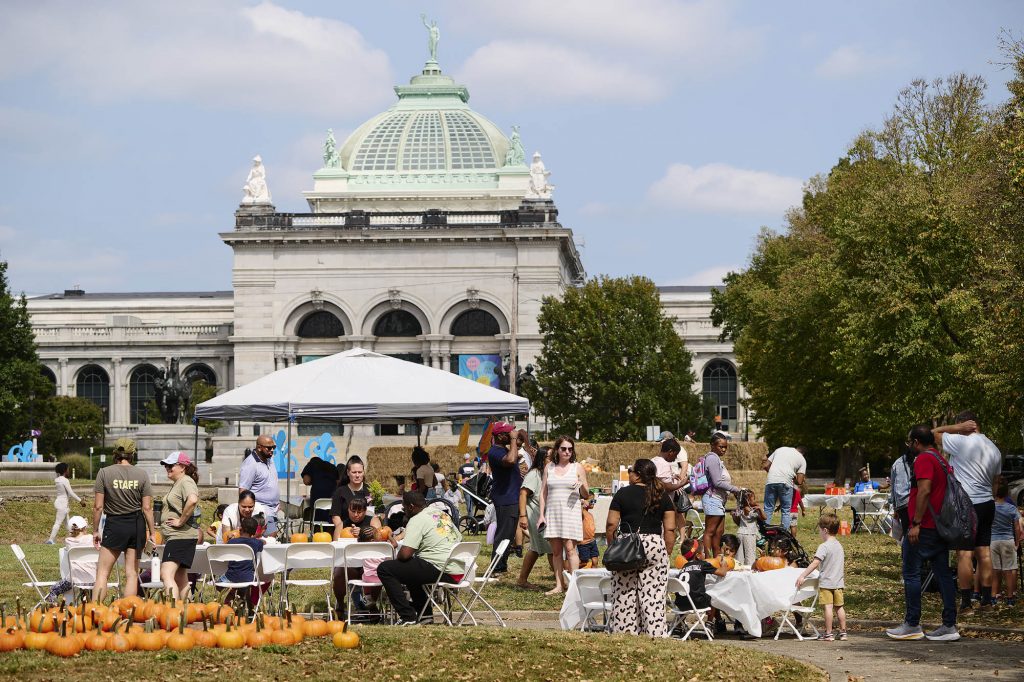
Horticultural Hall offered a different vision. Constructed of iron and glass and surrounded by formal gardens, it embodied an emerging idea that landscapes themselves could educate the public. Long before “landscape architecture” became a widely recognized profession, the hall demonstrated how horticulture, ecology, architecture, and civic life could work together. Visitors learned not only about plants, but about the relationship between nature, cities, and public wellbeing.
The true legacy of the Centennial was not confined to the exhibition grounds. Ideas traveled home with visitors. Scientific techniques spread. Commercial relationships formed. Public institutions evolved. Botanical gardens became research centers. Plant science became public science. The exhibition proved that parks and public landscapes could simultaneously host culture, innovation, education, and democratic life.
That lesson still matters today.
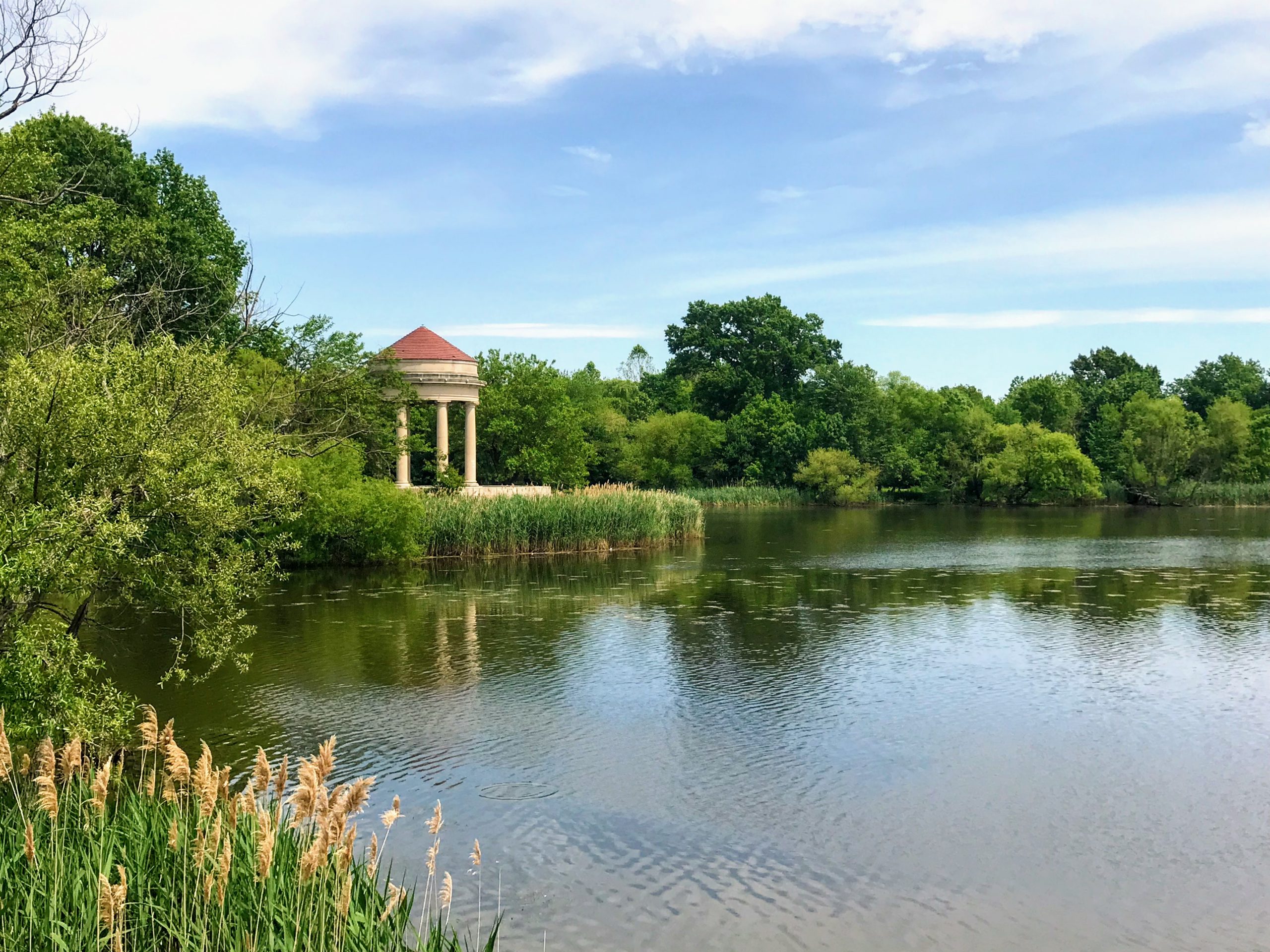
When Philadelphia celebrates independence, it leaves behind physical and civic infrastructure that shapes generations. The Centennial strengthened West Fairmount Park and laid the foundation for the Parkside neighborhood. The 1926 Sesquicentennial transformed marshland in South Philadelphia into what became FDR Park, the stadium district, and portions of the Navy Yard. The 1976 Bicentennial renewed the historic core, modernized transit infrastructure around Market East, and elevated cultural institutions like the Mann Center.
What endures after the speeches fade is always the same: the systems that connect us and the public spaces that allow civic life to flourish. Today, as CEO of the Fairmount Park Conservancy, I believe the approaching 250th anniversary offers Philadelphia another moment to think boldly about the future. The challenge before us is different from the one faced in 1876, but no less transformative. Climate change is redefining urban life, and Philadelphia can be one of the cities to lead the way in planning and innovation for safer and more resilient communities.
Philadelphia already feels warmer than the city many of us grew up in. Ninety-degree days arrive earlier and linger longer. Heat waves place enormous stress on neighborhoods, public health systems, and aging infrastructure. Across the country, climate zones are shifting northward. Cities are encountering heat and precipitation that exceed the dated assumptions of our existing infrastructure and policies. The cities that thrive in the decades ahead will be those that adapt early. Parks, trees, rivers, and open space will become as essential to urban resilience as roads, bridges, and transit systems. Shade trees will matter as much as streetlights. Cooling centers will become civic necessities. Green infrastructure will determine public health outcomes.
That is why parks can no longer be viewed merely as amenities. In the twenty-first century, they are climate infrastructure.
At the Fairmount Park Conservancy, we see this work firsthand. Green spaces cool neighborhoods, absorb stormwater, improve air quality, and provide refuge during extreme heat. They strengthen mental health, connect communities, and create safer, healthier public life. In a hotter America, parks are not only the lungs of the city—they are its resilience system.
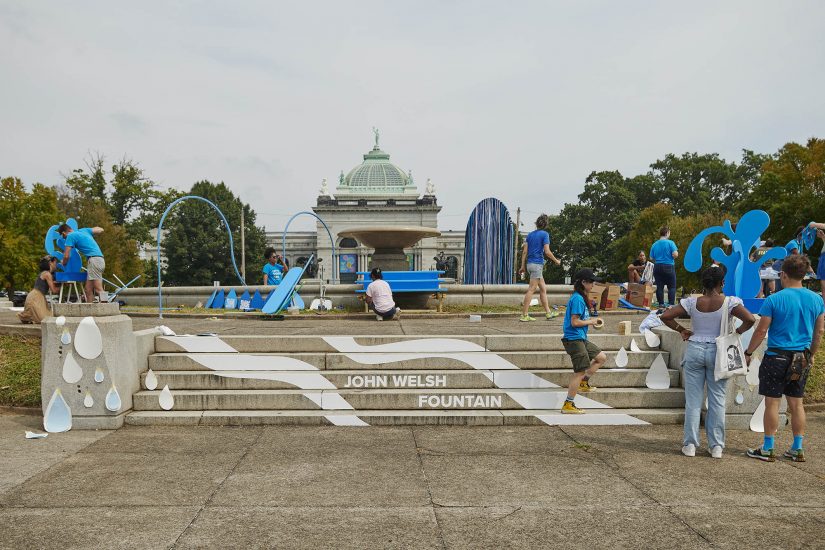
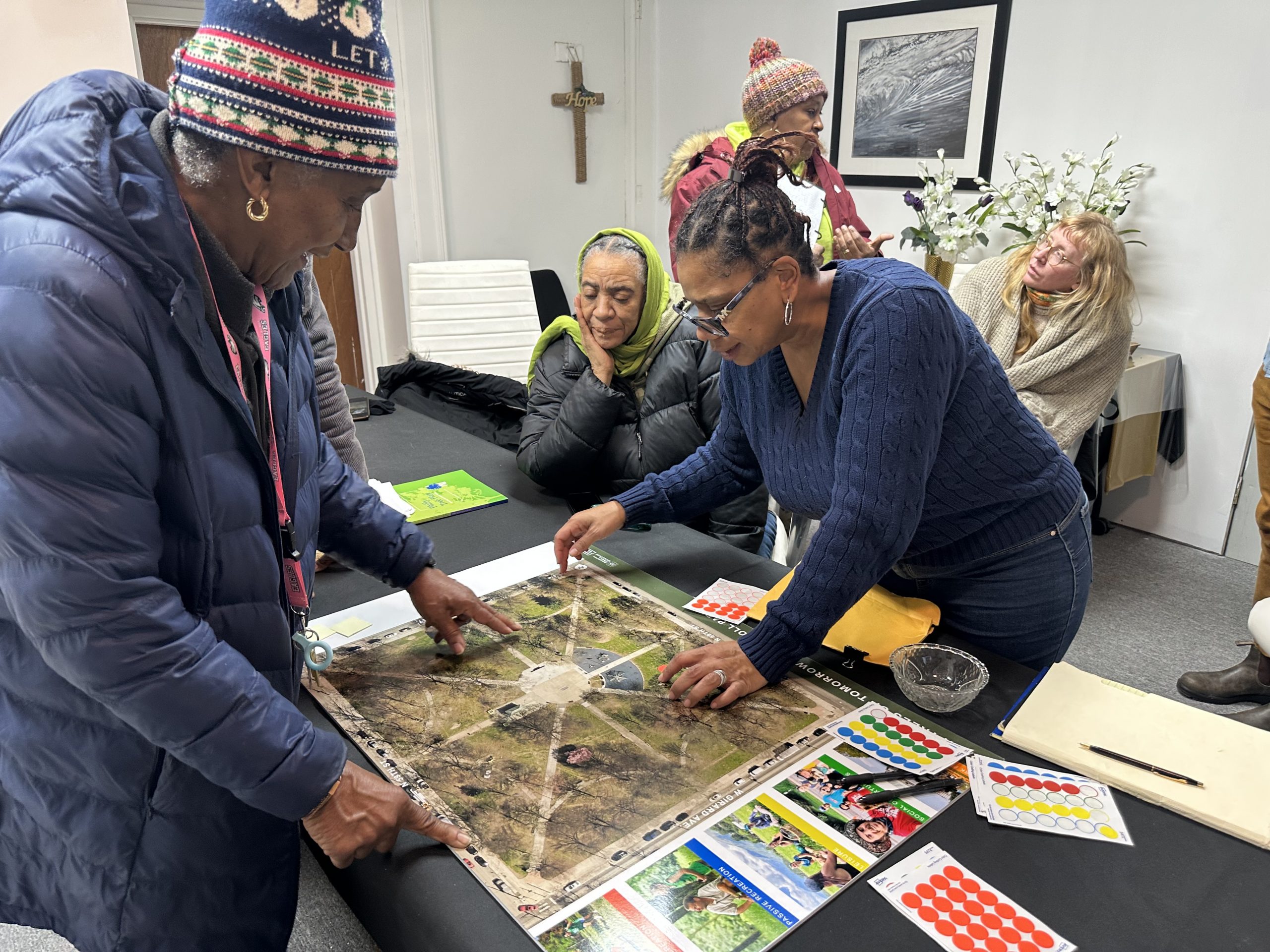
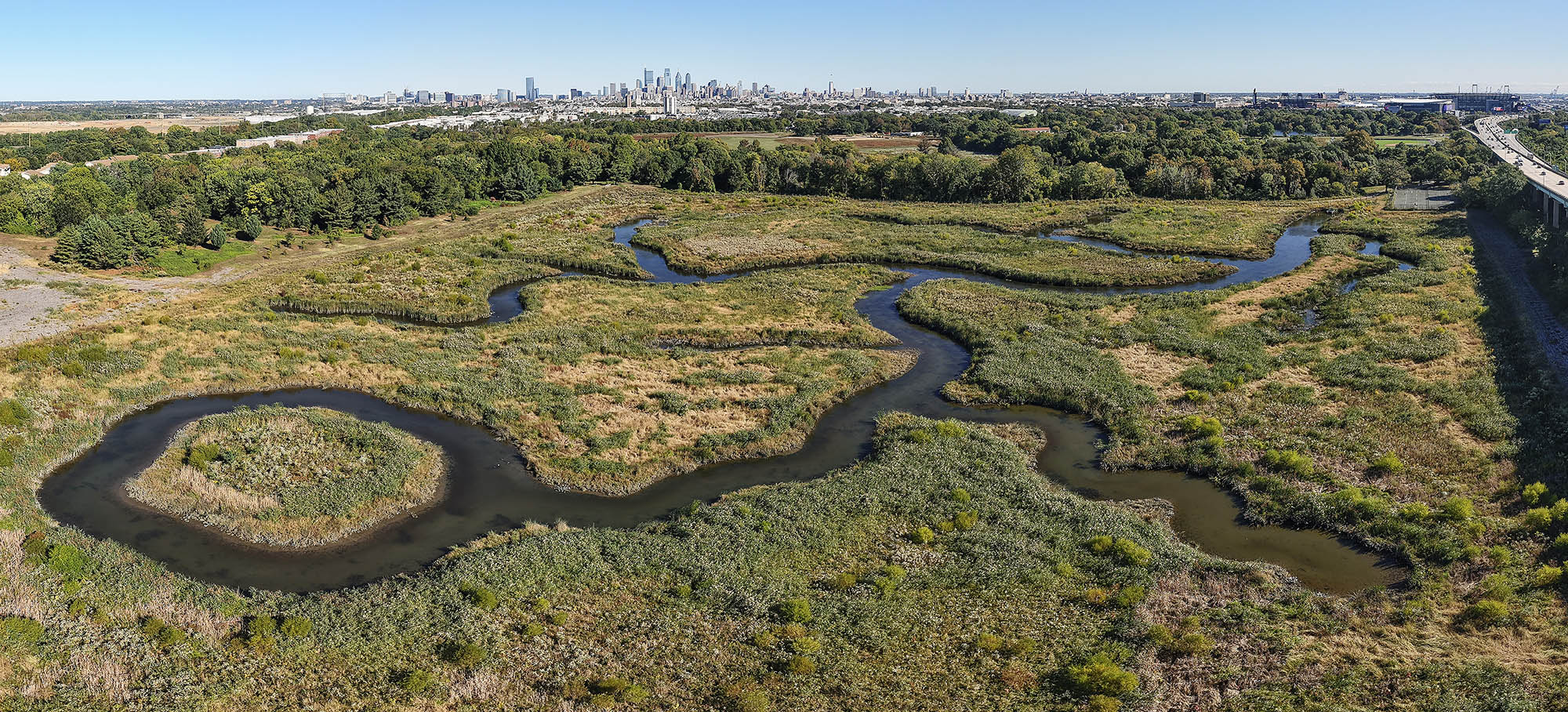
This reality anchors all of our work. Climate resilience is at the heart of the FDR Park Plan, which is designed to protect the park from a wetter and hotter future – ensuring access to recreation and nature for generations to come. In West Fairmount Park, at the center of the Centennial Exhibition’s footprint, we are preparing to bring water features and denser canopy to the Welsh Fountain Gardens. And we are raising funds for both projects through the Fair Play campaign, an historic comprehensive fundraising effort to improve our parks today and for the future.
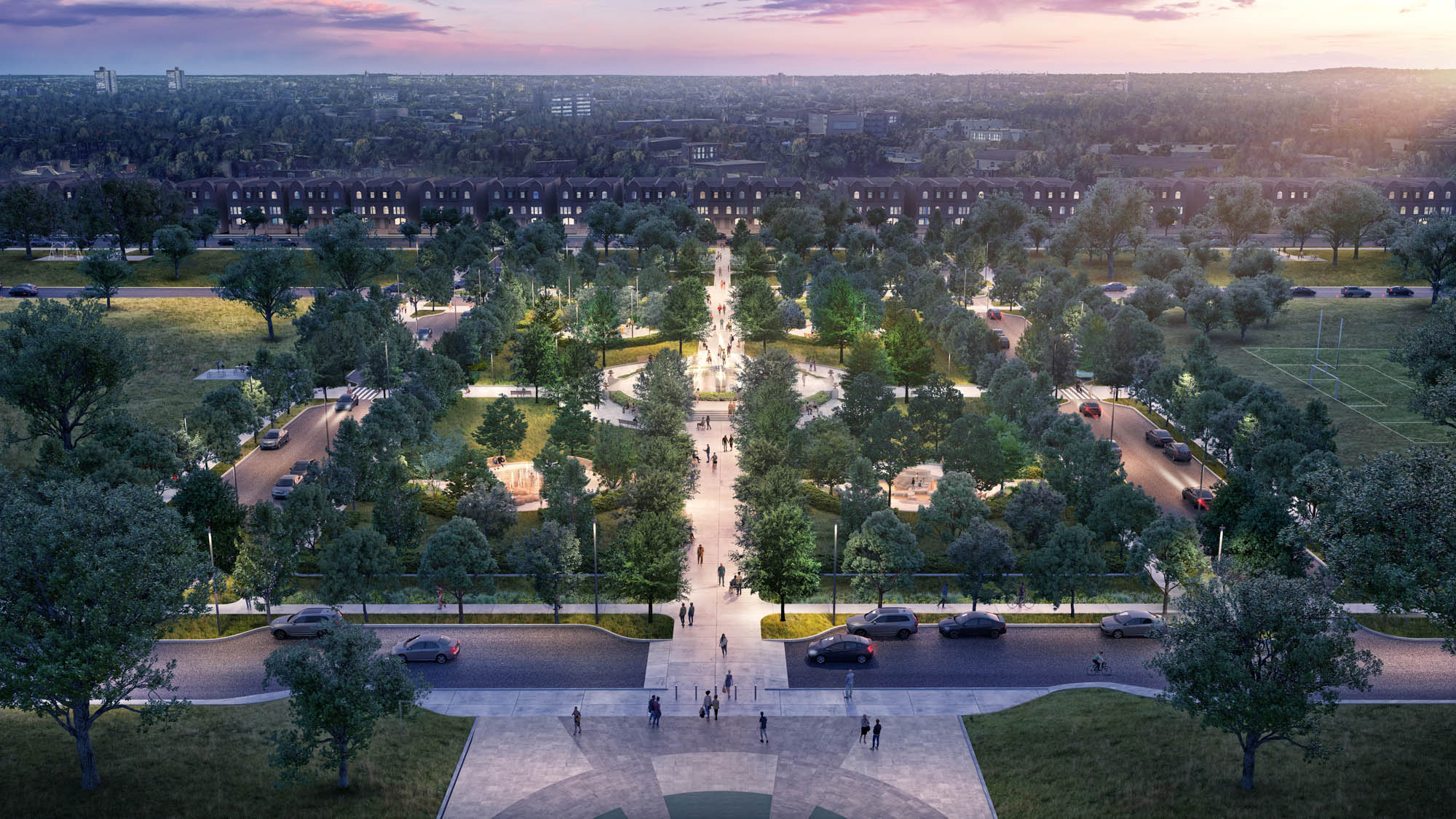
By 2076, Philadelphia will almost certainly be hotter, wetter, and more unpredictable. But cities are ultimately acts of collective imagination. We have an opportunity now to expand the tree canopy, restore wetlands, reconnect neighborhoods to the Schuylkill and Delaware rivers, and link parks into a cohesive cooling network that serves every resident. In Philadelphia and other cities, our public spaces are a nexus for community-driven planning and action.
The generations before us understood that moments of civic celebration could become launchpads for lasting progress. Our responsibility is to do the same. If we plan wisely now, Philadelphia’s next century can be defined not simply by endurance, but by cultivated progress.