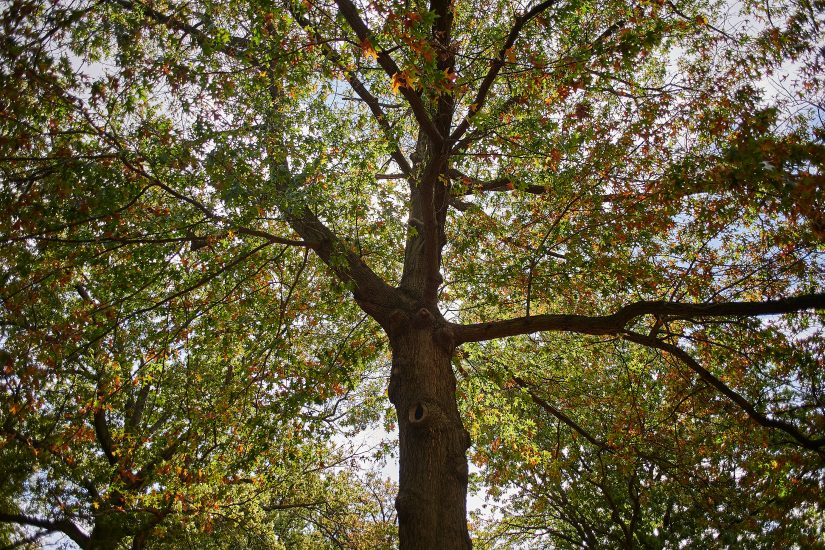
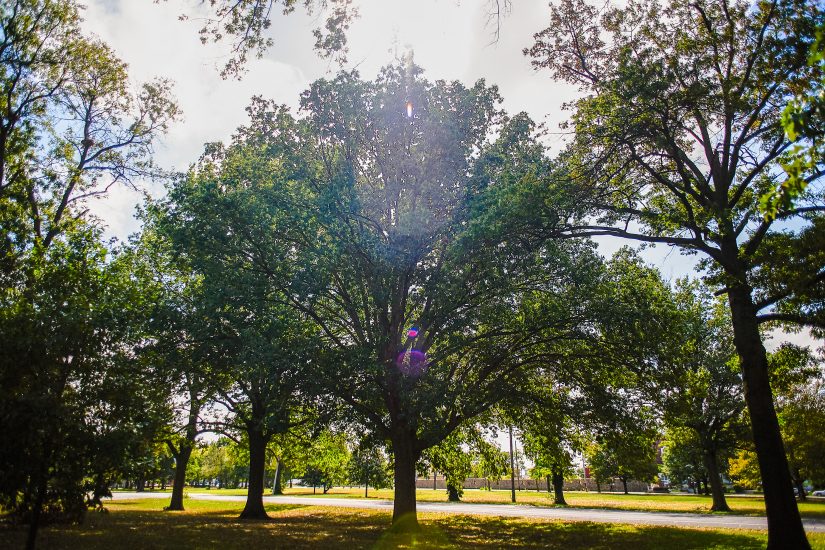
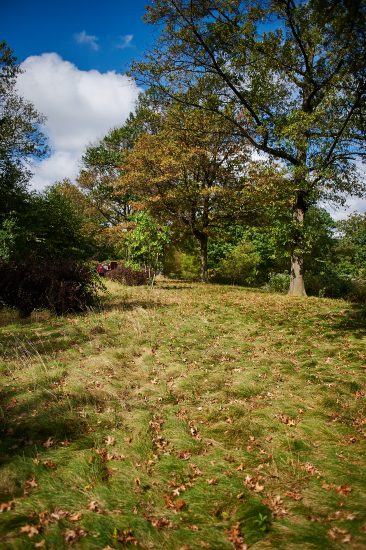
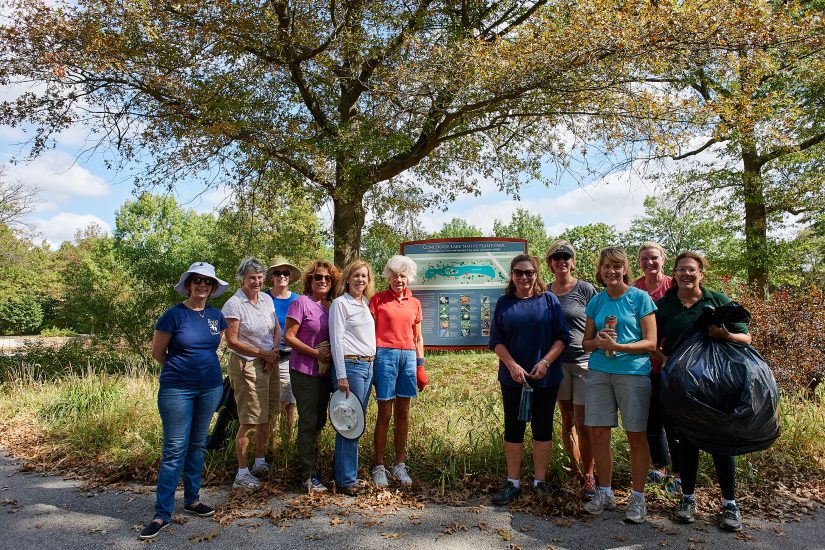
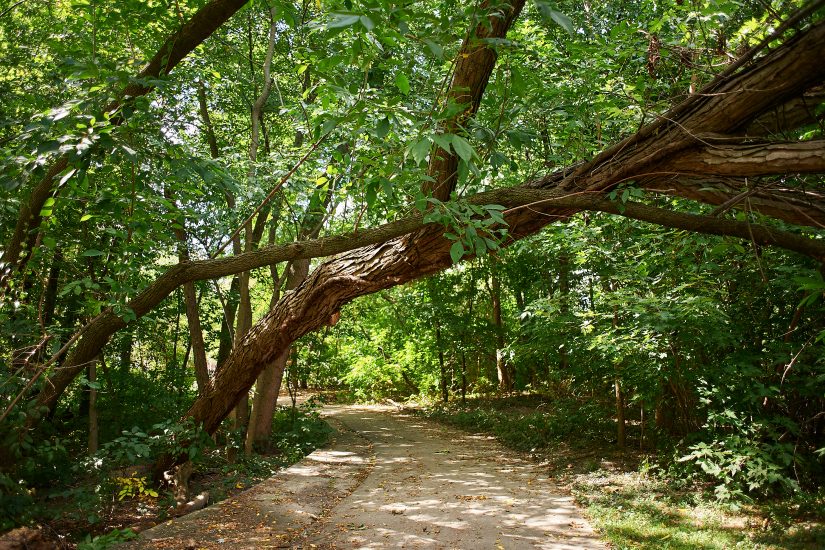
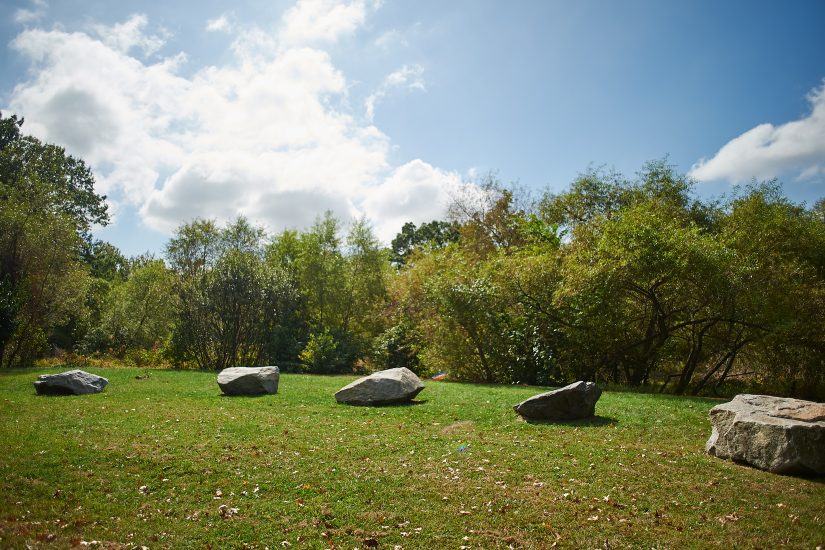
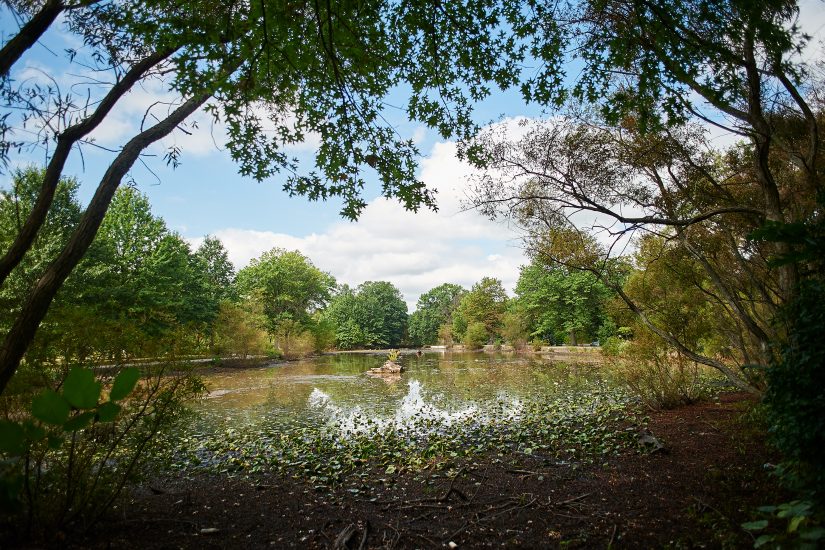
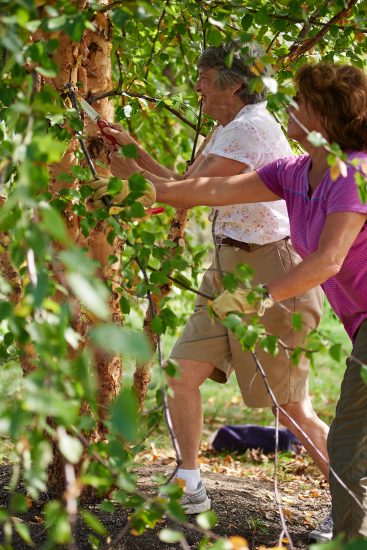
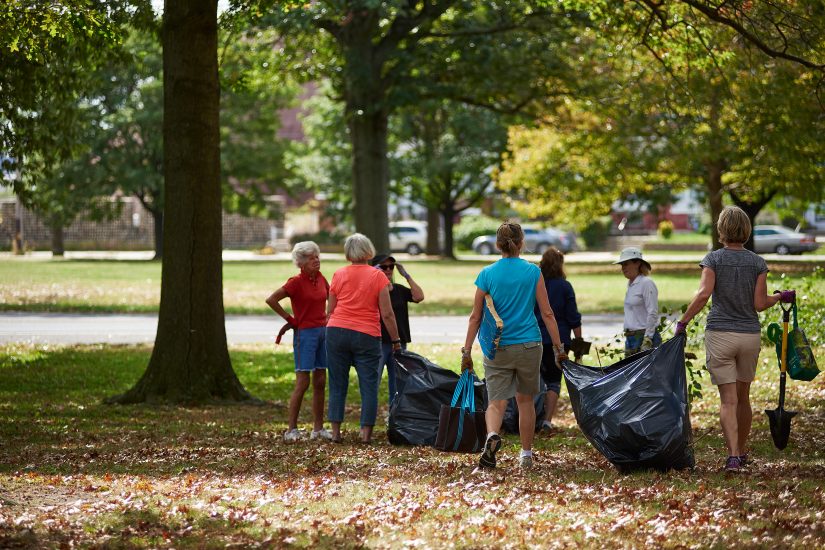
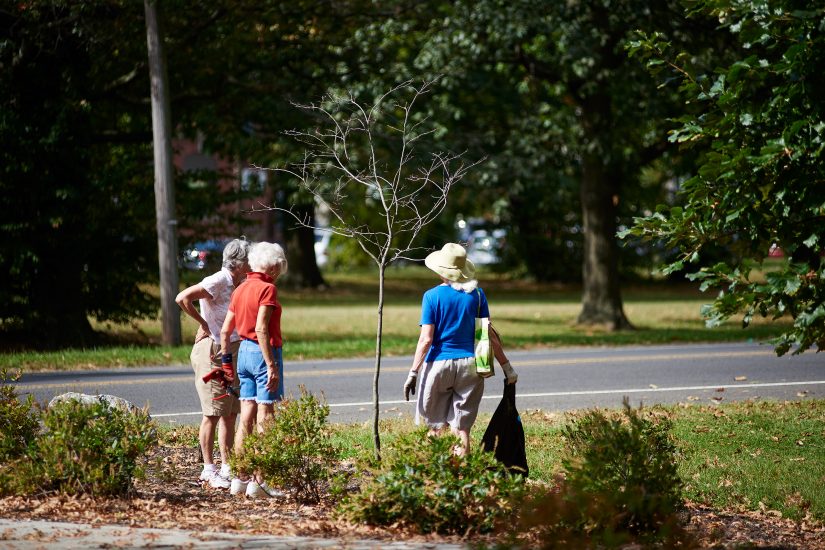
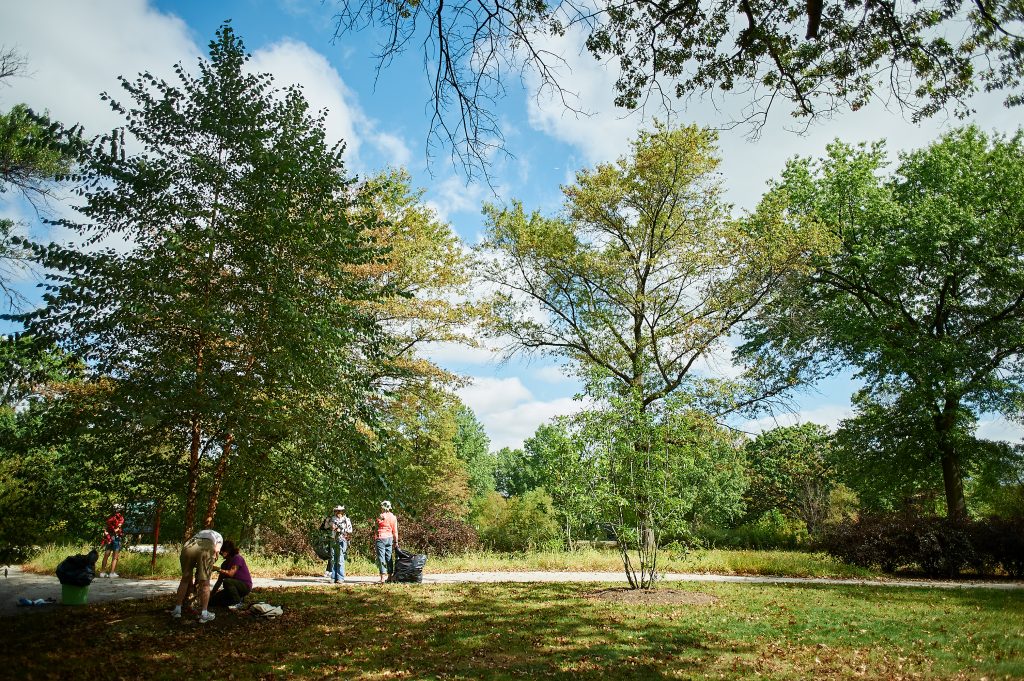
Concourse Lake is a historic stormwater reservoir in West Fairmount Park’s Centennial District, where Philadelphia celebrated the nation’s 100th anniversary in 1876. Once the site of the massive Machinery Hall and its famed Corliss engine, the 14-acre landscape has been transformed into a vibrant native plant park that blends environmental stewardship, education, and recreation.
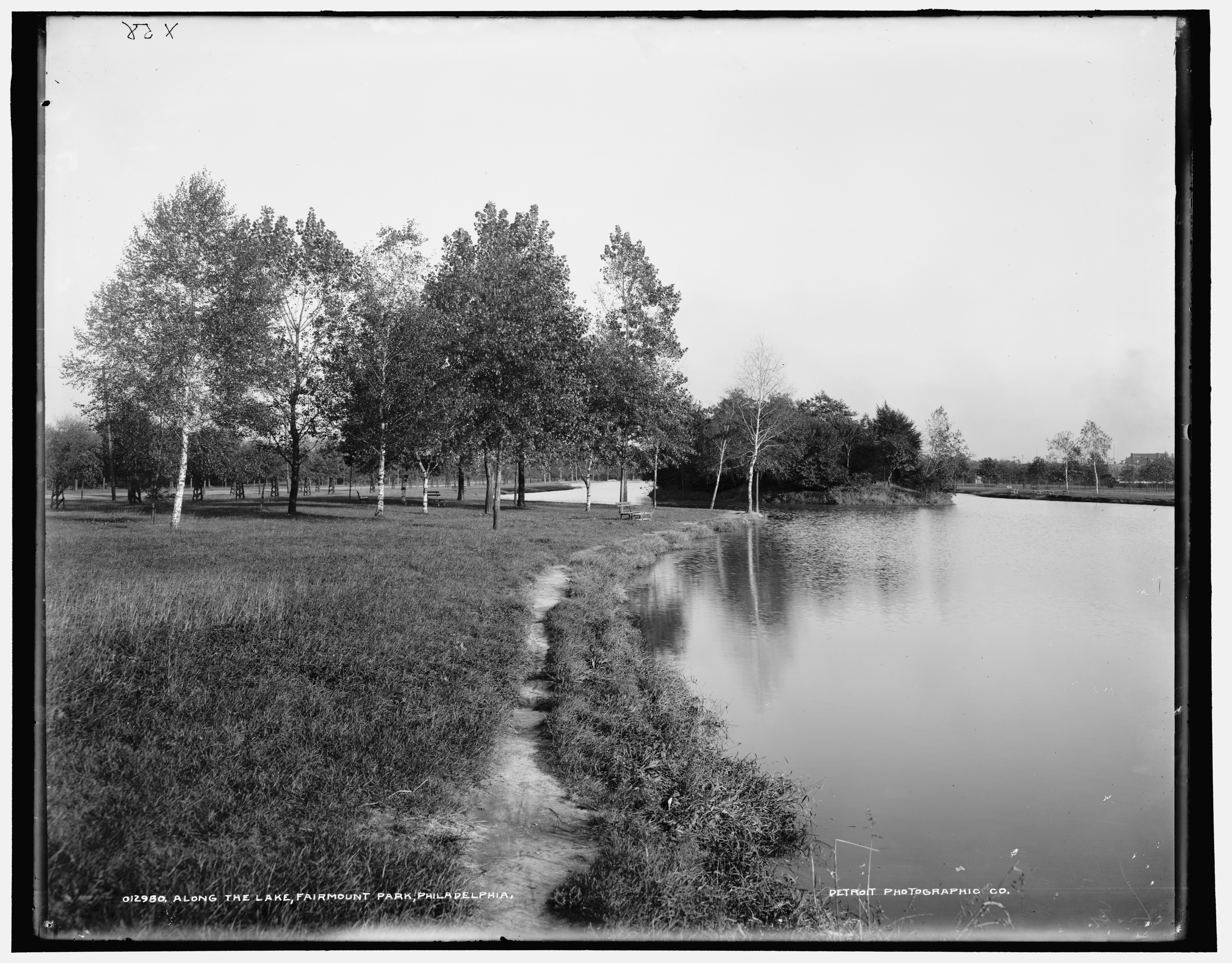
Concourse Lake, circa 1910
As part of a multi-year effort to revitalize the Centennial District, the City of Philadelphia restored Memorial Hall as the home of the Please Touch Museum, constructed a 5K loop trail to reconnect the grounds, and dredged Concourse Lake to establish a functioning native wetland that improves stormwater filtration to the Schuylkill River.
Building on these improvements, the Pennsylvania and Delaware Member Clubs of the Garden Club of America selected Concourse Lake as the focus of their centennial horticultural gift, advancing the District’s master plan and the City’s goal of becoming the “Greenest City in America.”
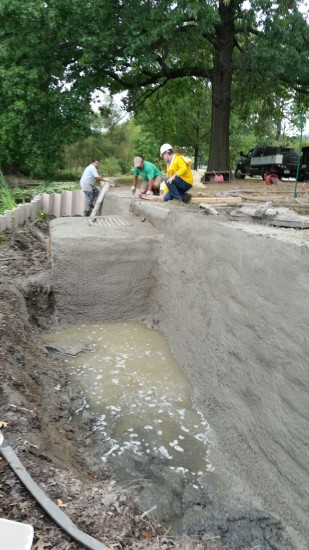
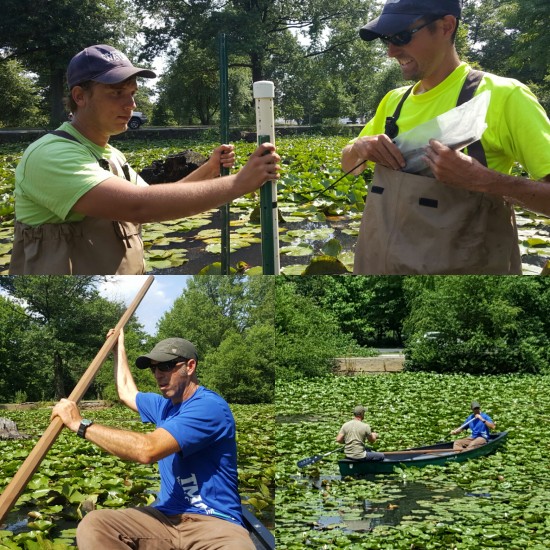
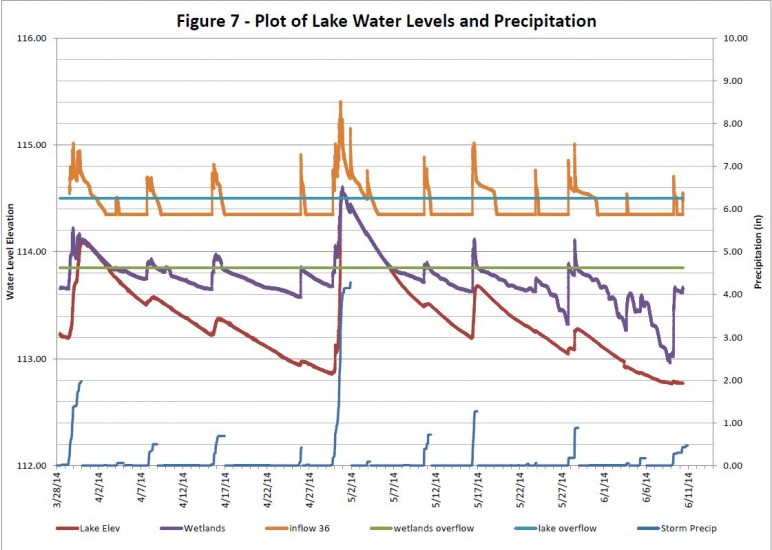
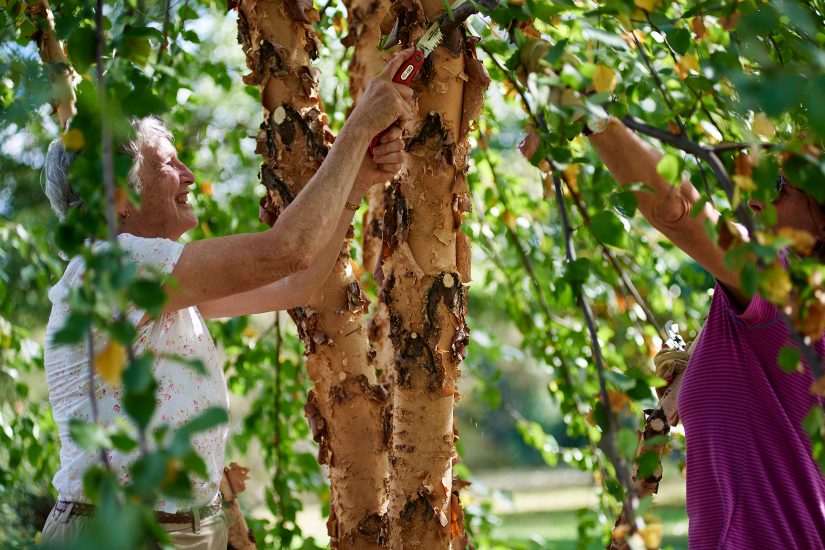
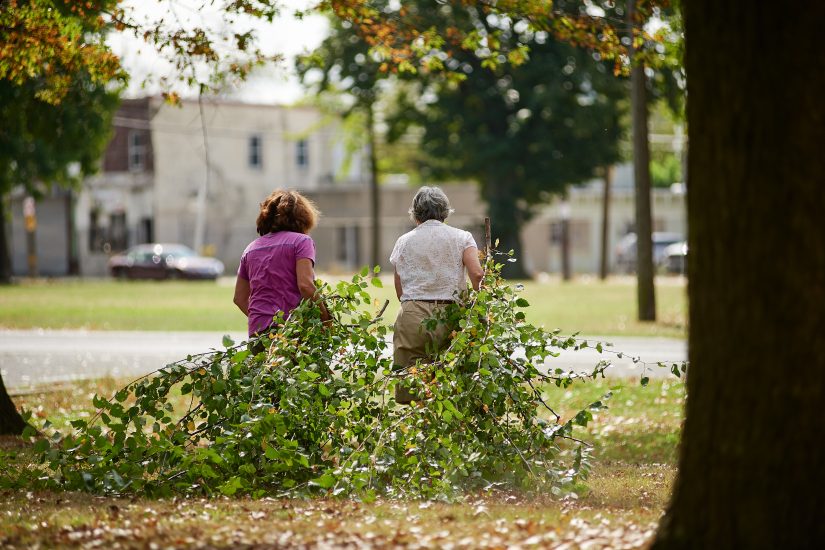
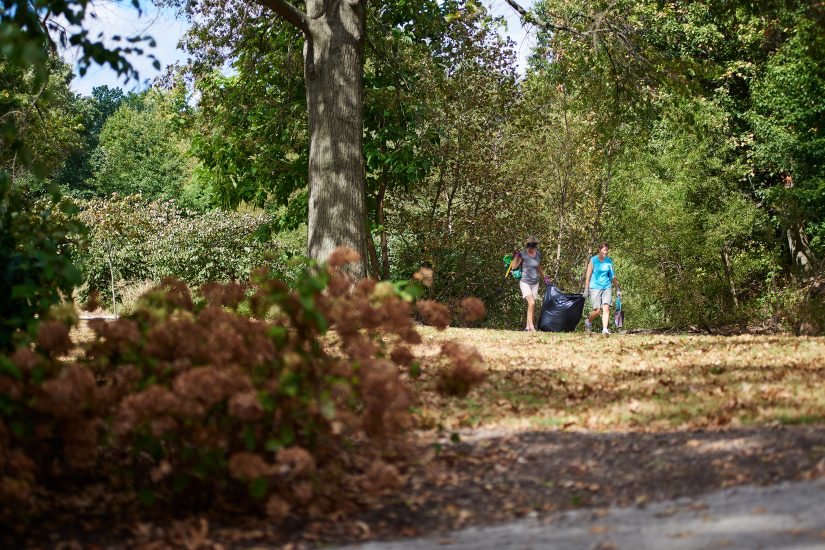
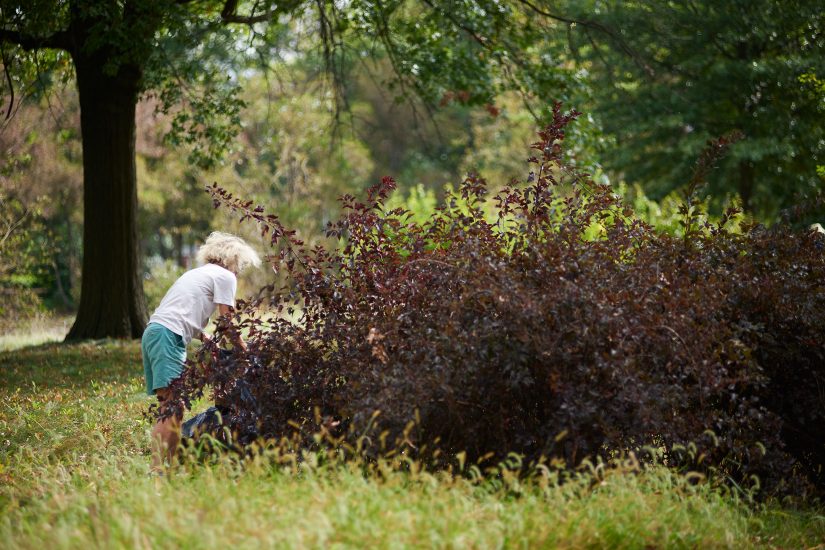
The completed project removed unsafe paving, introduced an educational walking path, and established sustainable native plantings designed to enhance habitat and manage stormwater — transforming the lake’s edge into an environmentally resilient and publicly engaging landscape. To protect these investments, sections of the lake’s northern wall were stabilized after hydrogeologic studies revealed voids that had allowed significant water loss, adversely affecting habitat and water quality. A specialized waterways contractor cleaned, repaired, and sealed the wall, and a water level monitor was installed to track conditions before and after construction. With improved water retention, the lake now supports healthier aquatic systems while reducing excessive vegetation growth and strengthening habitat for birds, reptiles, and fish.
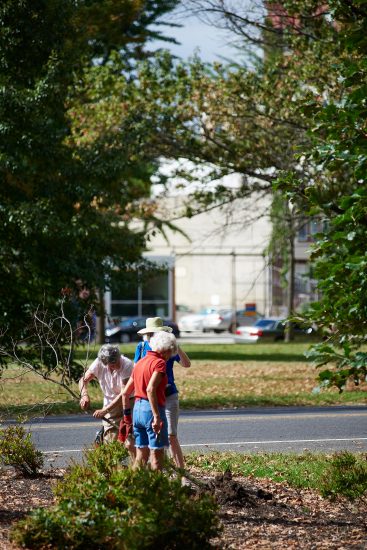
On June 9, 2012, Concourse Lake was officially dedicated as a Philadelphia Native Plant Park. The transformation included the planting of 142 native trees and 503 shrubs, establishing a resilient, ecologically rich landscape that honors the site’s historic legacy while serving the environmental and recreational needs of today’s community.
Awards
Marion Thompson Fuller Brown Conservation Award,
Awarded by Garden Club of America, 2013
The Concourse Lake Project
Nomination of Excellence
Awarded by Land Ethics, 2012
Philadelphia Committee of the Garden Club of America for Concourse Lake Revitalization Project
Centennial Award for Civic Leadership
Awarded by Fairmount Park Conservancy, 2011
Gene Dilks and the Philadelphia Committee of the Garden Club of America
Press
Life on the Hill, May 2010
Concourse Lake Restoration Project
Philadelphia Inquirer, May 31, 2010
Ripples of revival in Fairmount Park
This was a project of the Pennsylvania & Delaware Member Clubs of the Garden Club of America, in Partnership with Fairmount Park Conservancy, the City of Philadelphia, and cultural and community organizations.
Shrub and Trees Locator Map
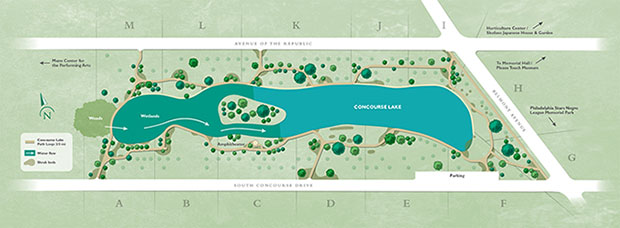
| Botanic Name
Calycanthus floridus |
Common Name
Carolina Allspice |
Area Where Located
D |
| Botanic Name
Acer saccharum |
Common Name
Sugar Maple |
Area Where Located
M |
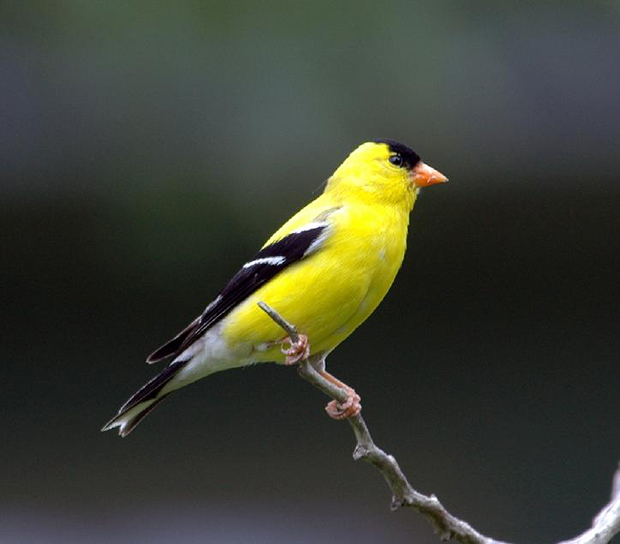
American Goldfinch
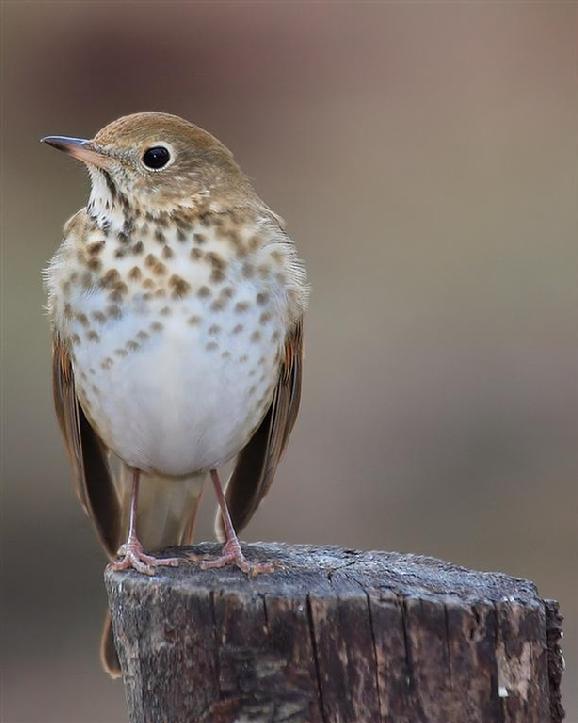
Hermit Thrush
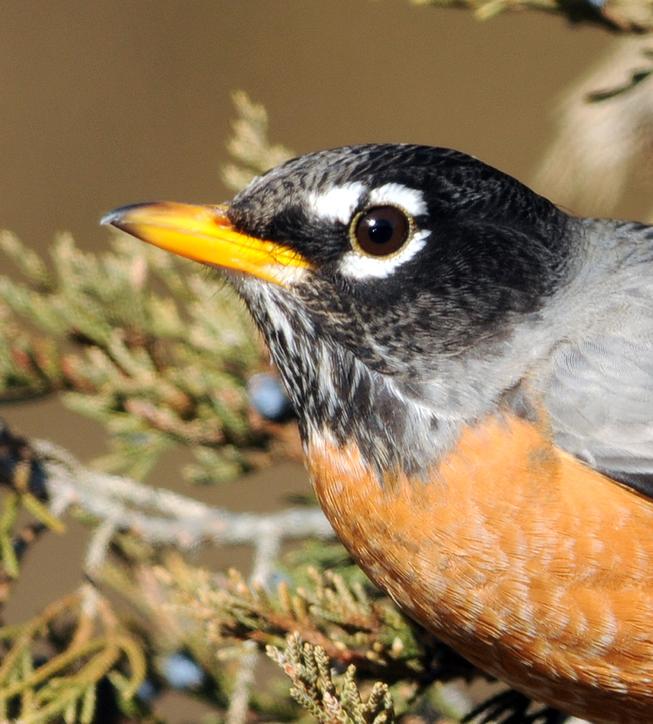
American Robin
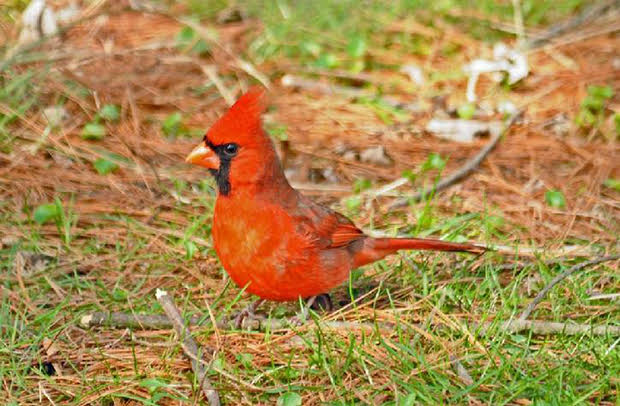
Northern Cardinal
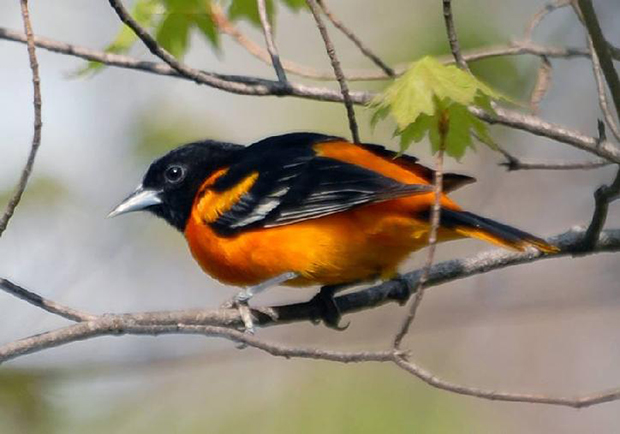
Baltimore Oriole
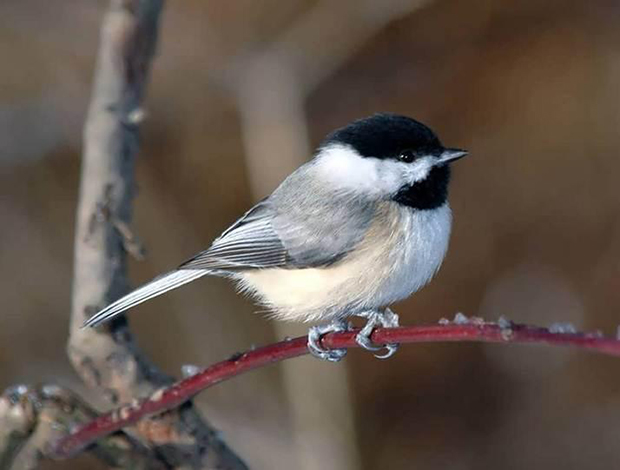
Black-capped Chickadee
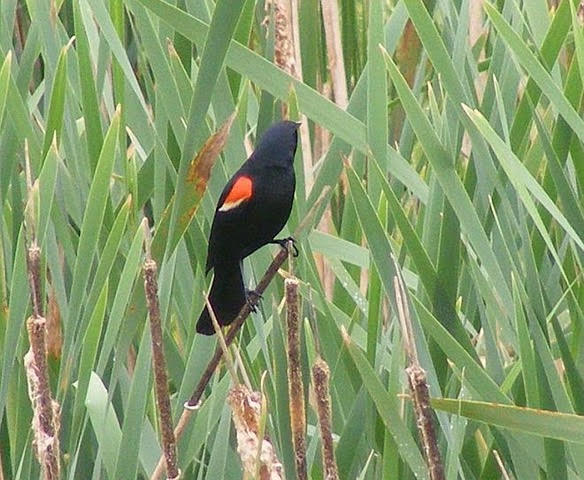
Red-winged blackbird
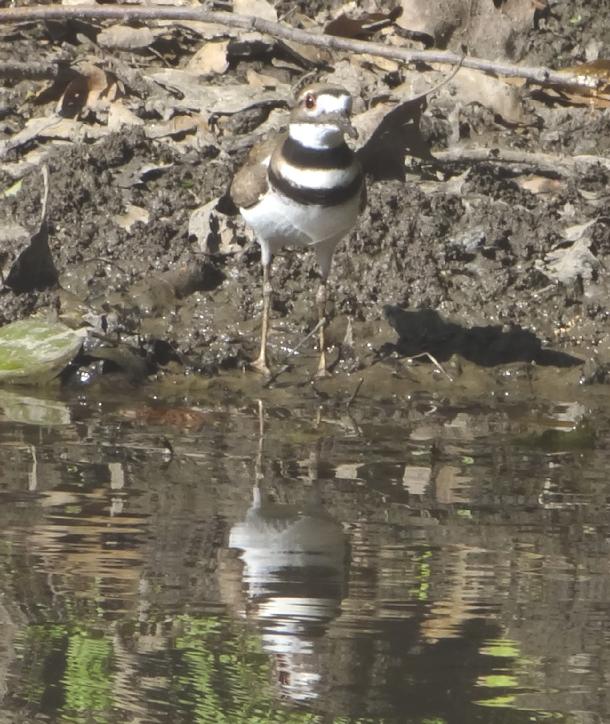
Kildeer
Eastern Kingbird
Palm Warbler
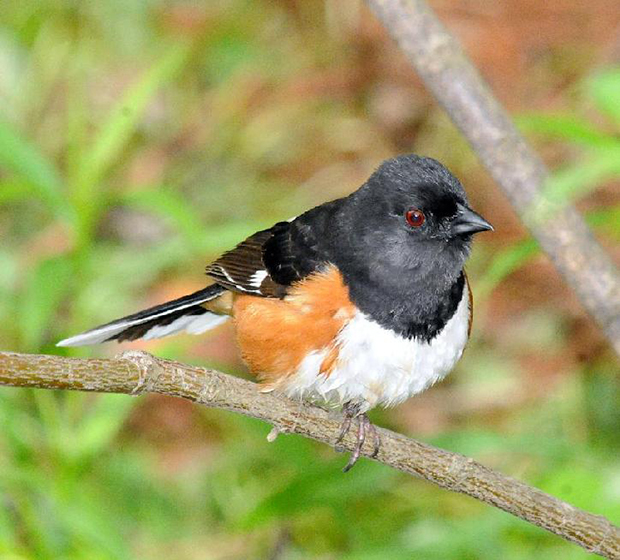
Eastern Towhee
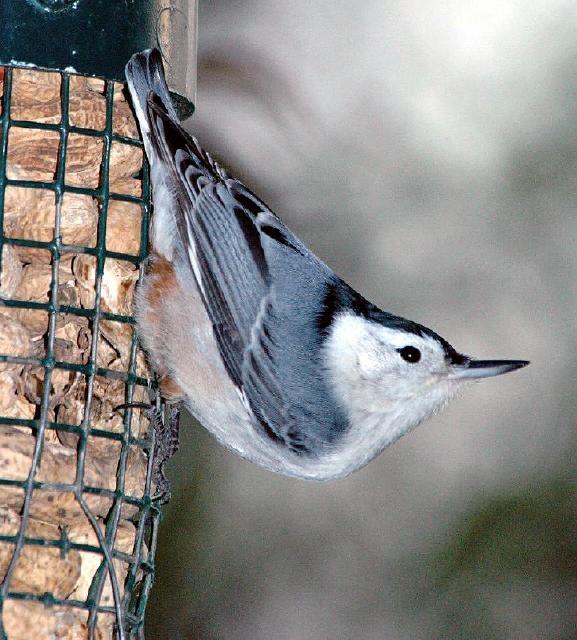
White-breasted Nuthatch
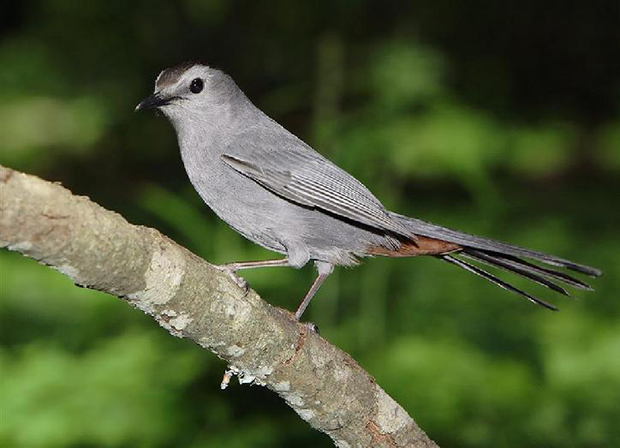
Gray Catbird
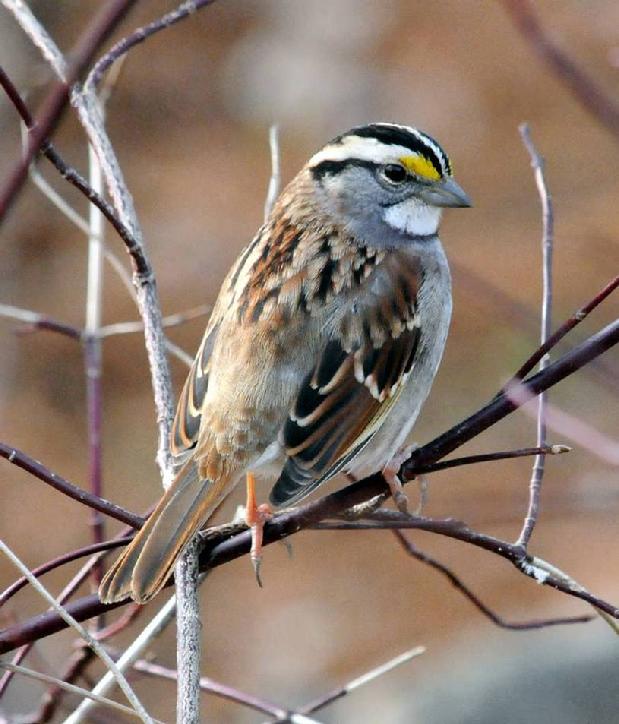
White-throated Sparrow
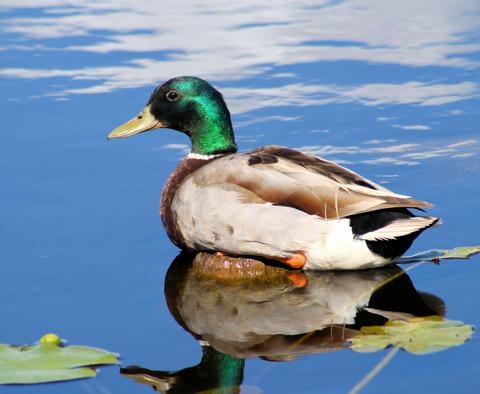
Mallard
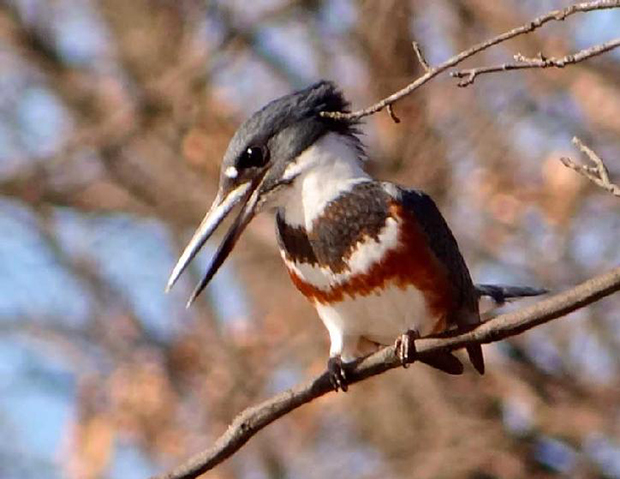
Belted Kingfisher
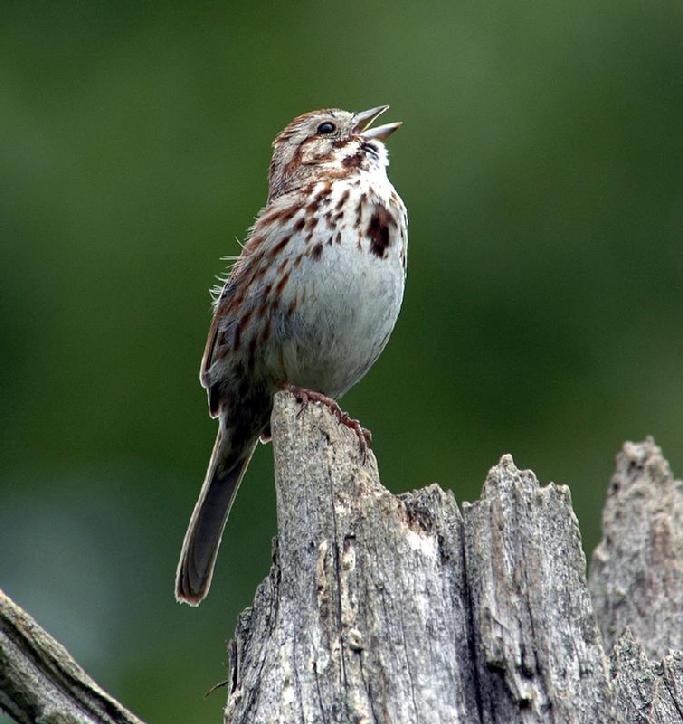
Song Sparrow
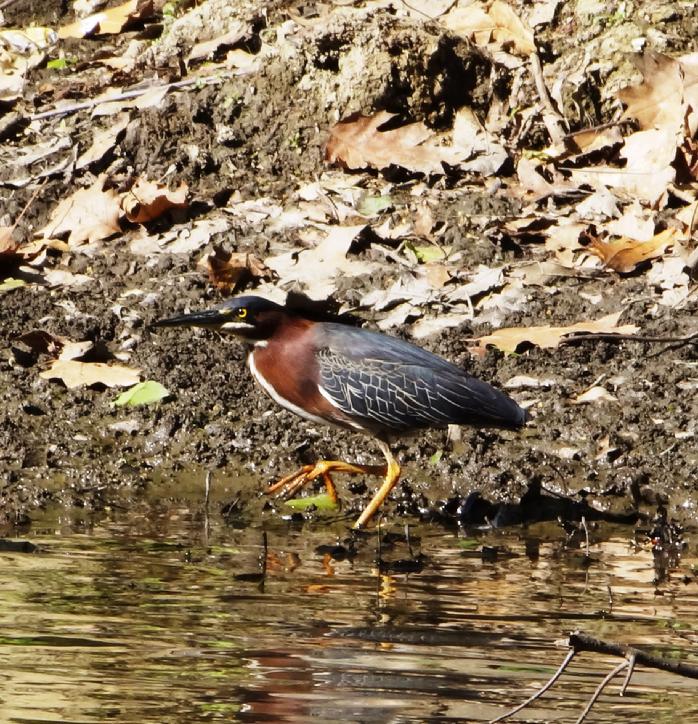
Green Heron
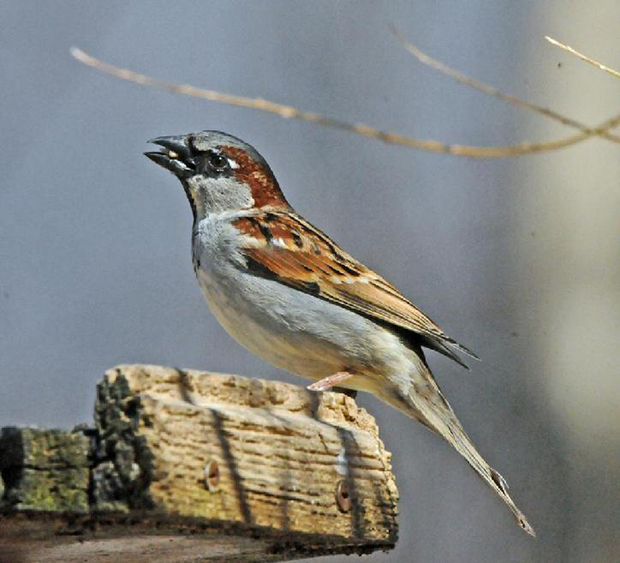
English Sparrow
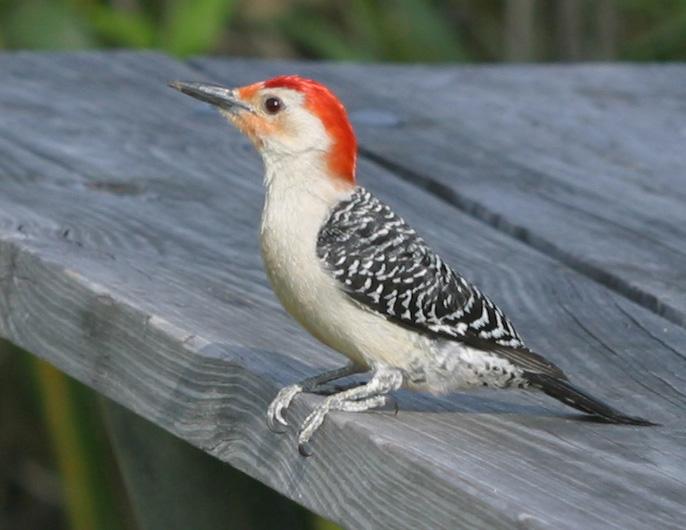
Red bellied Woodpecker
Ruby-crowned Kinglet
Chipping Sparrow
Field Sparrow
House Sparrow
Dark-eyed Junco
Brown Creeper
Downey Woodpecker
Northern Flicker
Blue Jay
Northern Mockingbird
Yellow-rumped Warbler
Pine Siskin
Cedar Waxwing
Red-eyed Vireo
Common Crow
Common Grackle
Veery
Eastern Bluebird
The above birds were photographed by Howard Eskin and Debbie McKenzie courtesy of the Audubon Society of Pennsylvania and Jane Ruffin of the Concourse Lake Native Plant Park Committee.
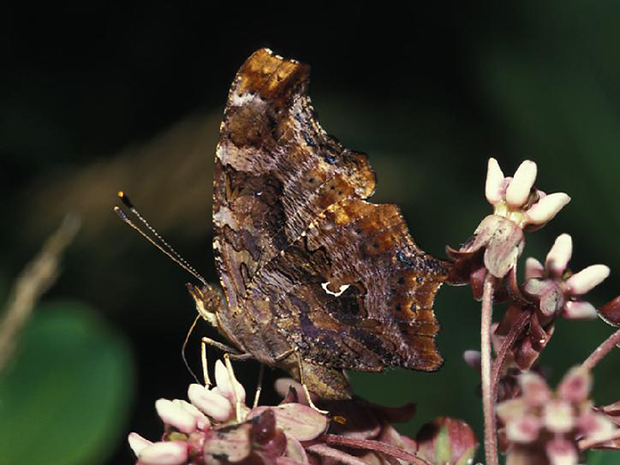
Comma butterfly
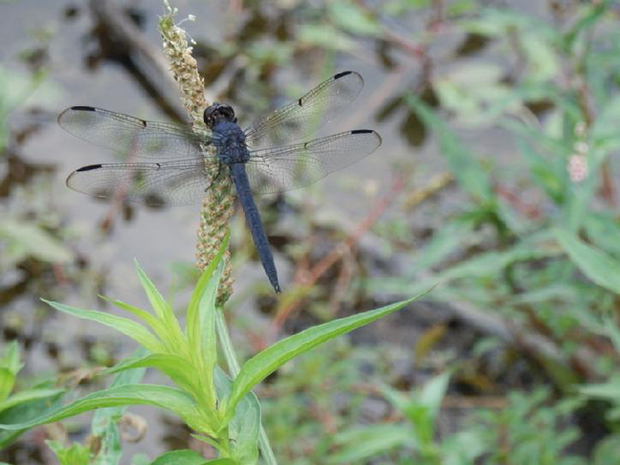
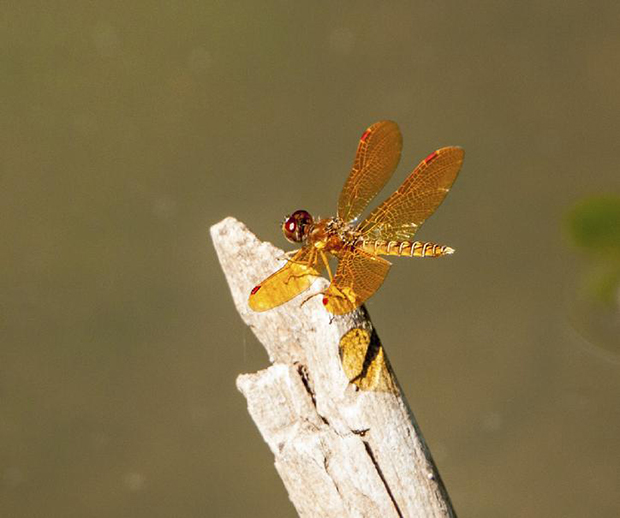
Dragonfly
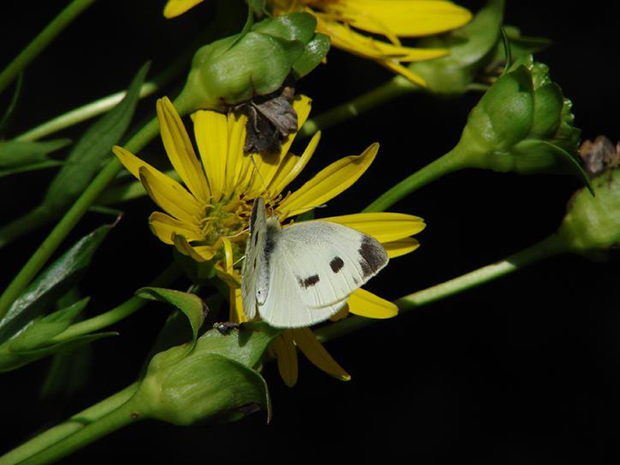
Cabbage White Butterfly
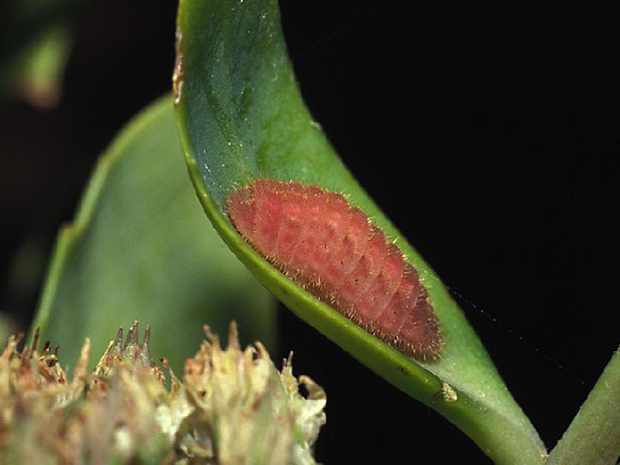
Gray Hairstreak Caterpillar
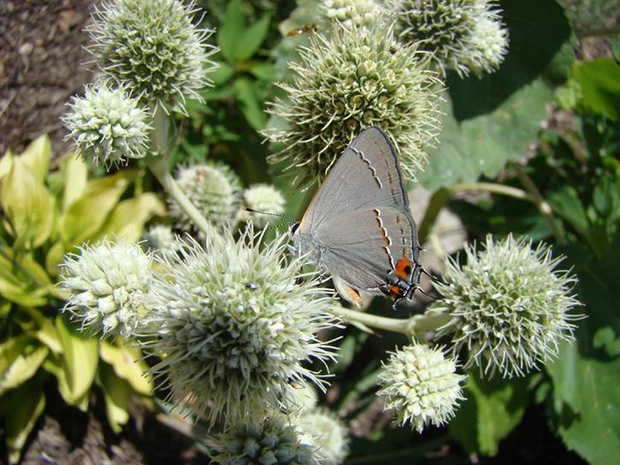
Grey Hairstreak Butterfly
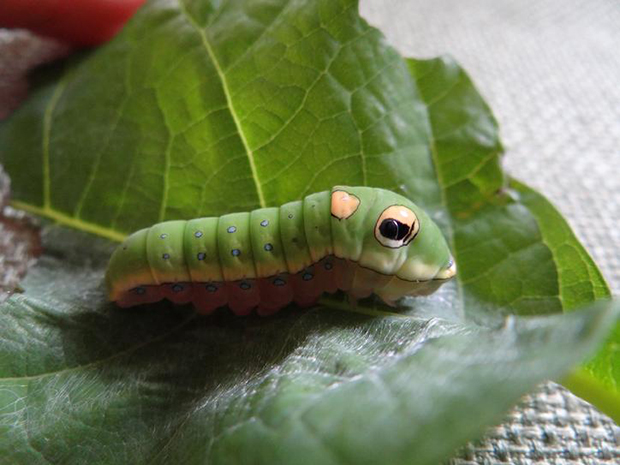
Spicebush Swallowtail Caterpillar
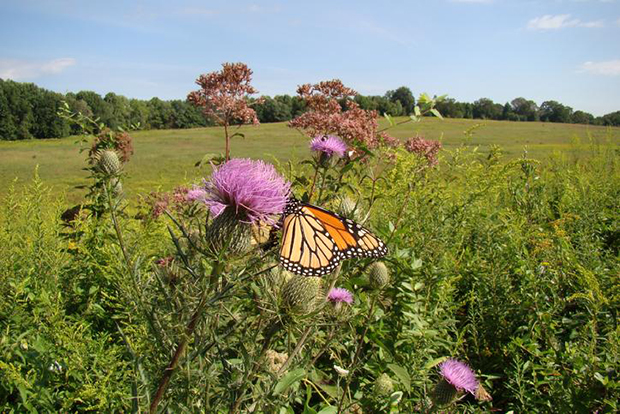
Monarch Butterfly
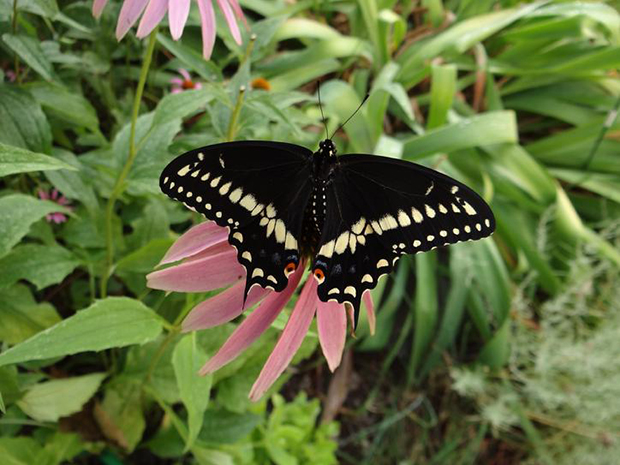
Black Swallowtail Butterfly
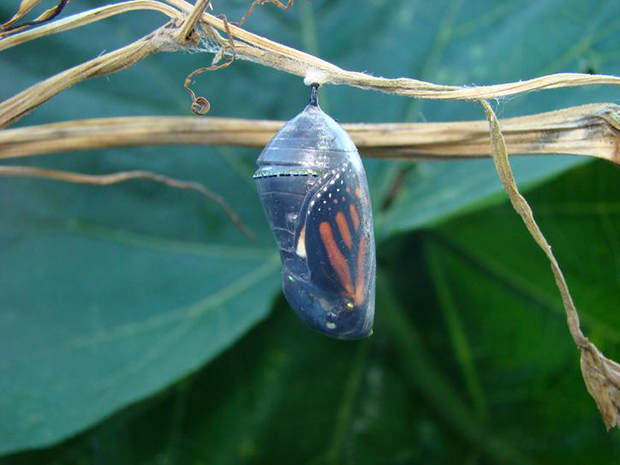
Monarch Pupa
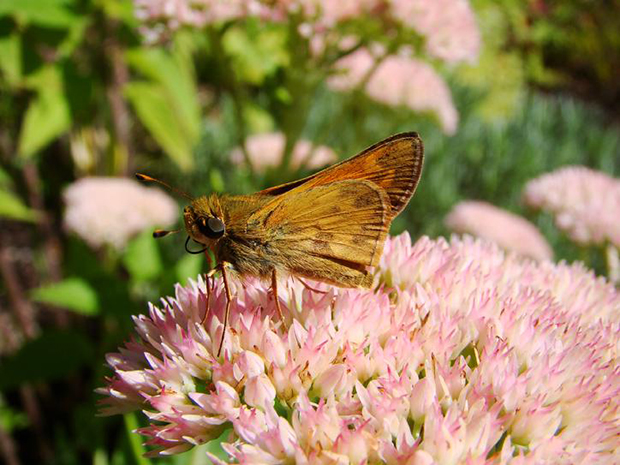
Sachem, Male
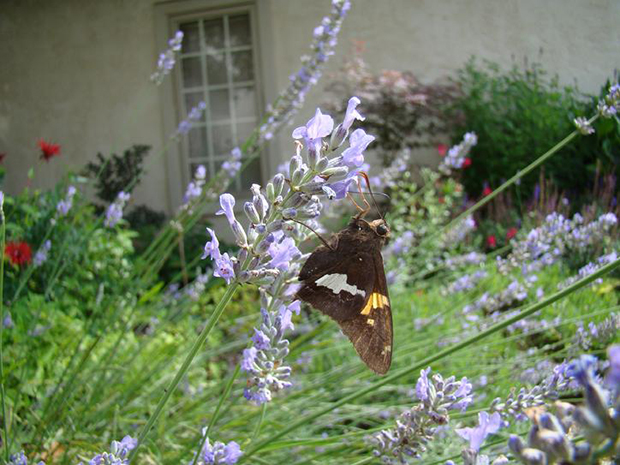
Silver-spotted Skipper
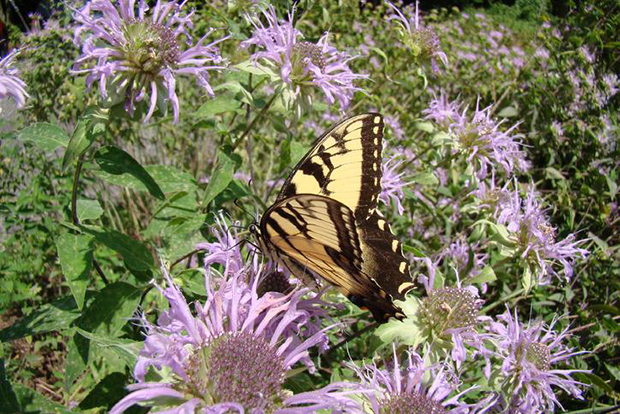
Tiger Swallowtail
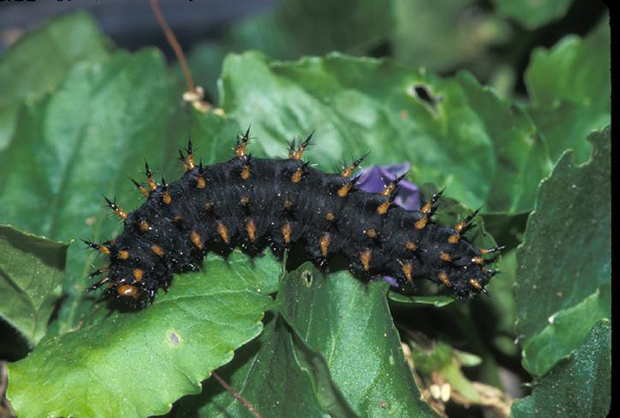
Great Spangled Fritillary Caterpillar
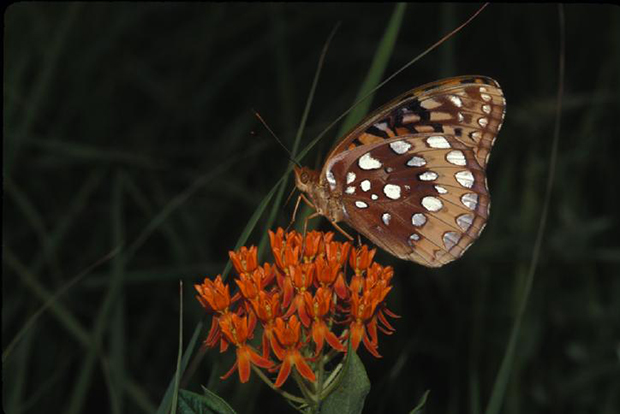
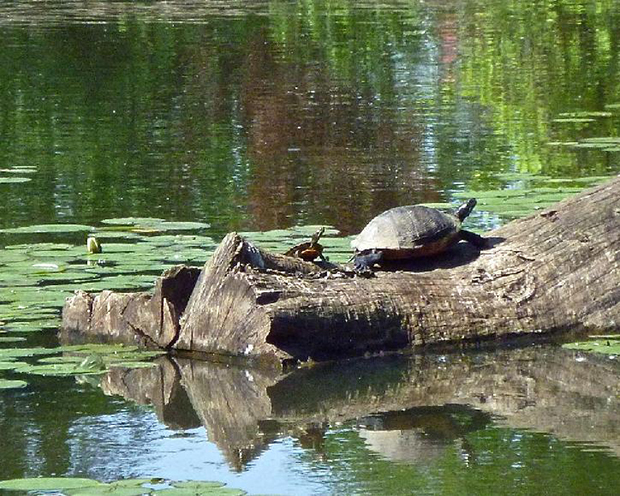
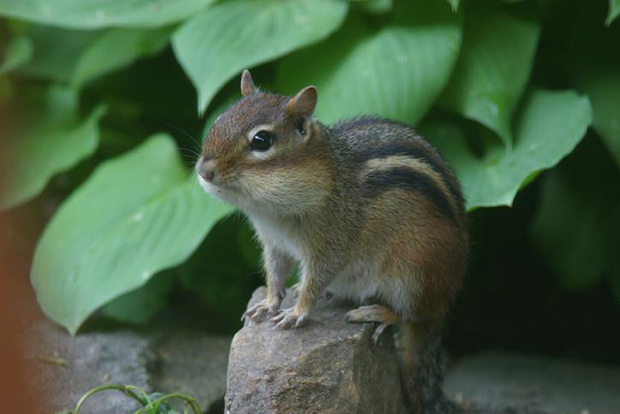
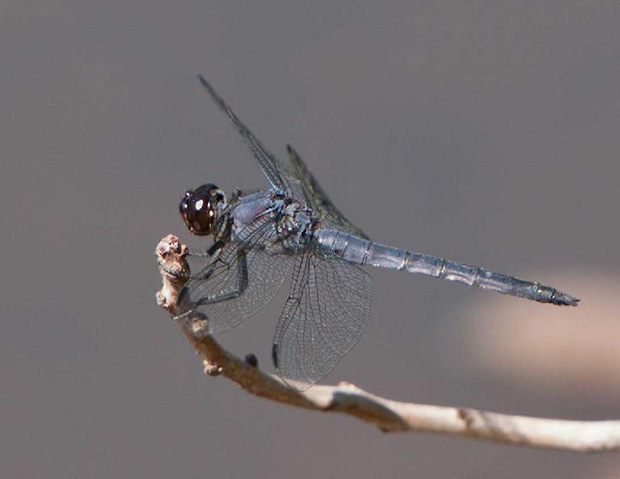
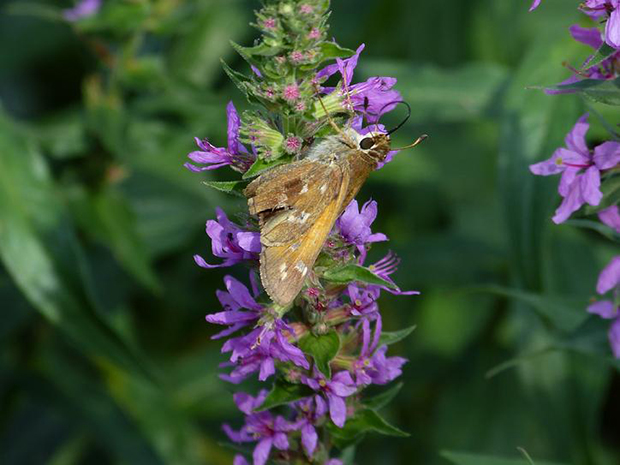
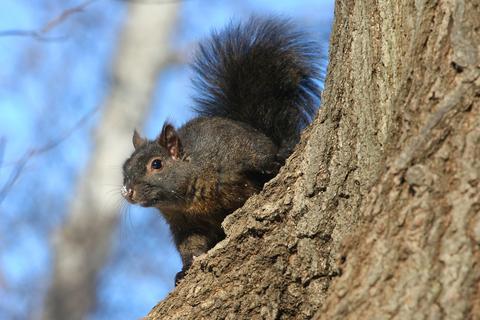
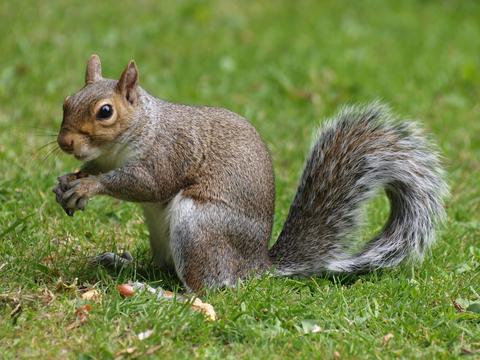
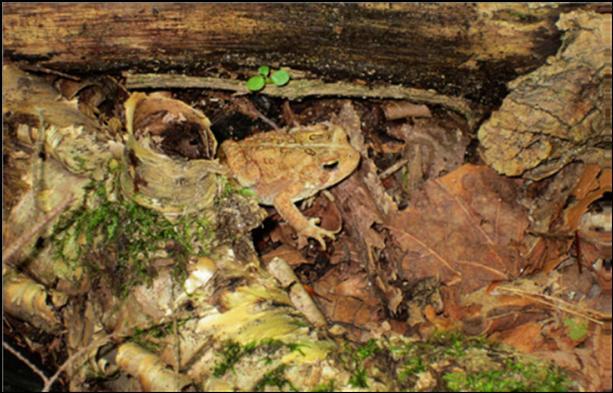
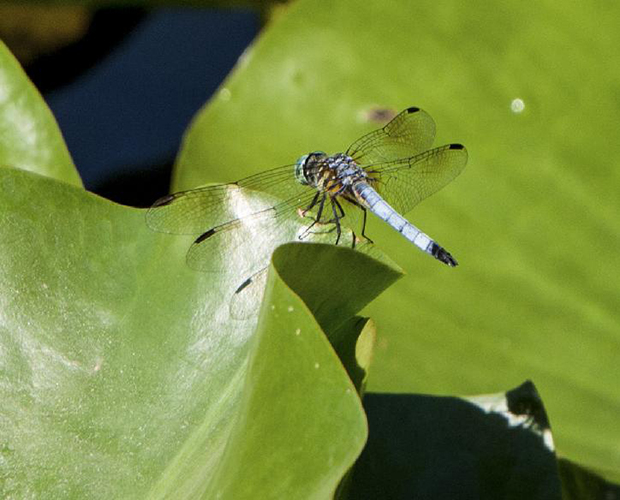
Education is central to the Concourse Lake Native Plant Park. Rooted in the site’s commitment to conservation and urban ecological restoration, the resources provided here — developed by the Academy of Natural Sciences of Drexel University — offer educational materials and teaching guides for use in classrooms and at home.
On the following pages are some educational games and puzzles that can be used in school and at home.
All of the activities below have names of animals, birds, trees, and insects that can be found at the Concourse Lake Native Plant Park. Have fun learning about Concourse Lake and the conservation of our natural resources. Click on the topic below and you will be directed to an activity.
Instructions: Players 4
Needed: Download and cut out game board, dice, and tokens
List of words used on game board: flower, lake, grass, bird, bench, butterfly, park, insect, squirrel, daffodil, plant, path, fish, and frog.
GAME PLAY:
- Each player rolls the die then moves the number of spaces.
- If a player lands on a “move back” or “move ahead” space, they do so.
- If a player lands on “lose your turn”, then they must stay at that spot and do nothing for the current turn. They are skipped for the next turn.
- The first person to land on the finish line is the winner!