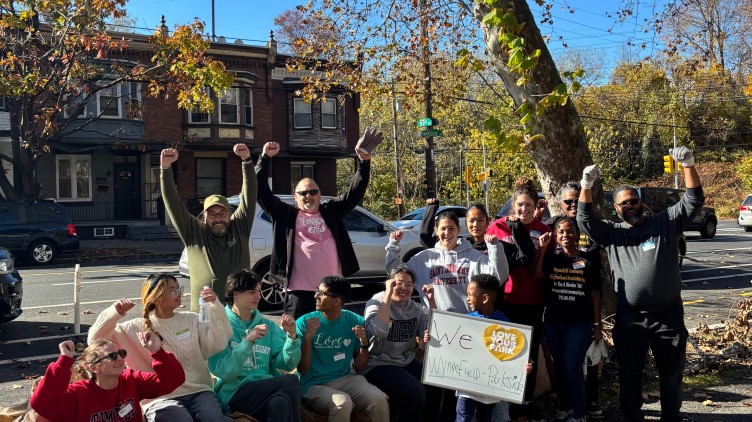
At 7 a.m. on Saturday, November 8, I locked the front door of my house in Northwest Philadelphia and stepped into a city rinsed clean from the night’s rain. It was Love Your Park Day, and as the new CEO of the Fairmount Park Conservancy, I was crossing the city to meet volunteer crews tending their neighborhood parks.
The air carried that familiar shoulder-season damp, a soft haze clinging to every surface. On Kelly Drive fog rose from the river in sheets. The rowers—Philadelphia’s eternal morning shift—appeared and vanished like disciplined ghosts, their oars cutting silver lines across the Schuylkill. They formed a kind of quiet metronome for a city waking up.
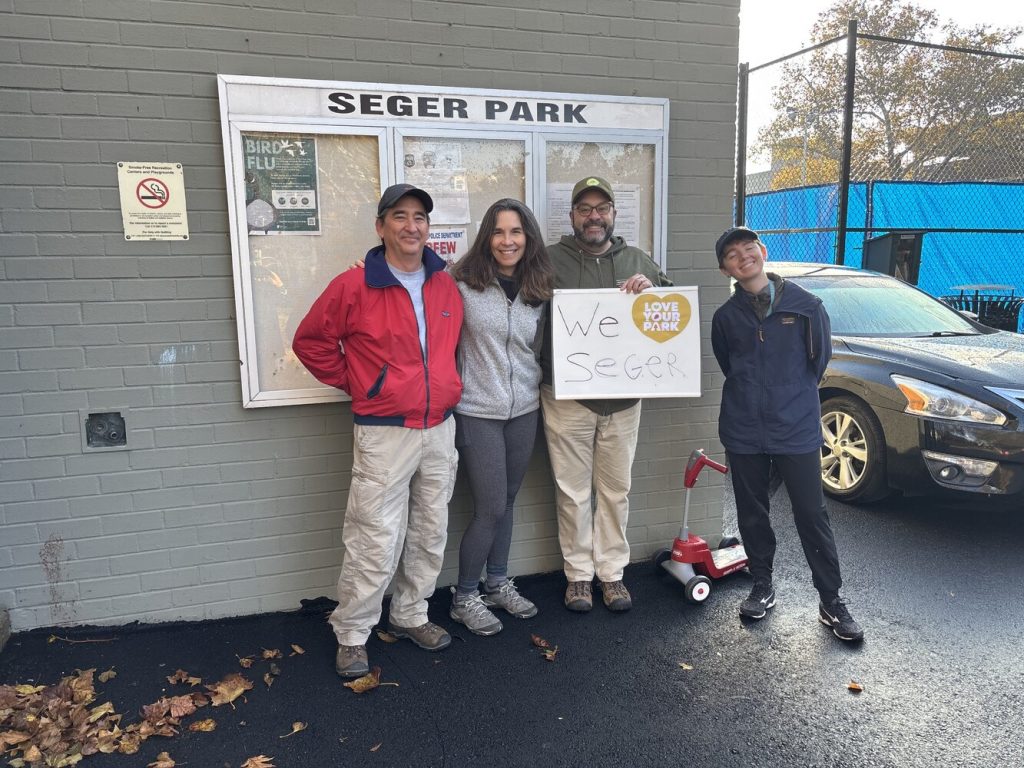
By 8 a.m., the sun had muscled its way through the mist as I arrived at Seger Park in Center City, one of those indispensable neighborhood rooms where toddlers in puff jackets mix with dog walkers, tennis players, and in the unhurriedness of a Saturday morning volunteers were already gathering, trading greetings that felt like rituals.
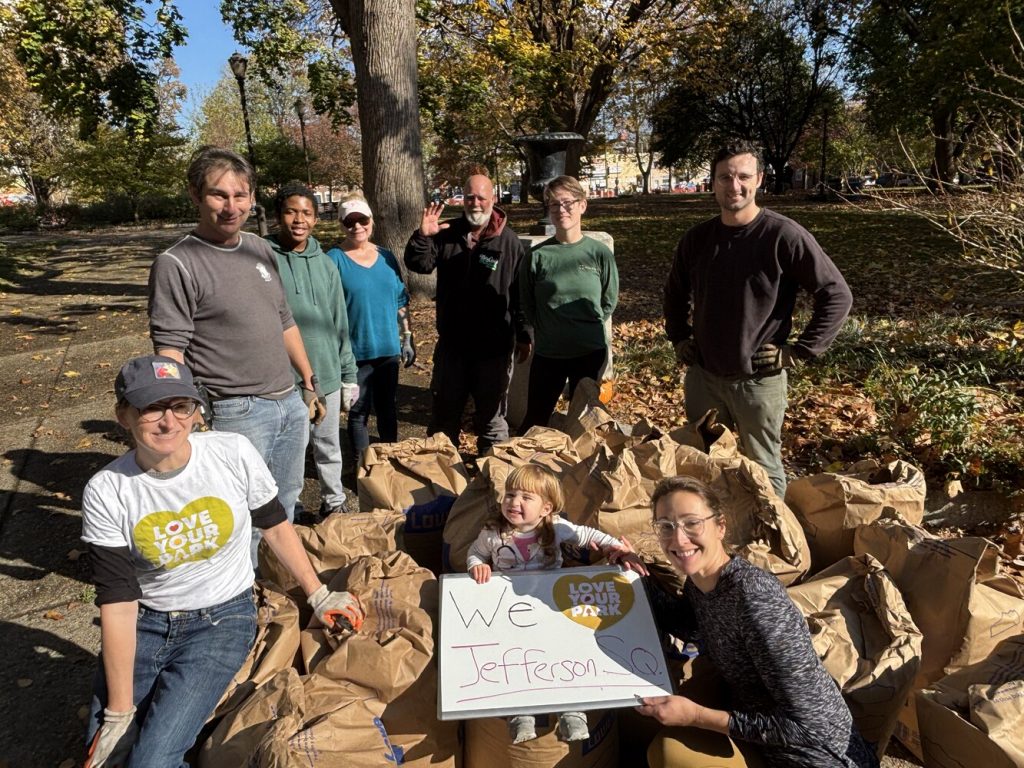
At 10 a.m. I was in South Philadelphia’s Jefferson Square, once defined by Mummers String Band rehearsals and now a blend of old families and new arrivals who know the price of sunlight in a dense city. A dozen volunteers had already filled eighty leaf bags when I arrived. I jumped in beside them, talking too long about the biology of cities and why parks are the lungs.
These were my people. Philadelphians with civic pride baked into their DNA. Folks who show up with mismatched gloves, bedhead, thermoses of coffee, and a quiet resolve to make their corner of the city better.
By noon I was northbound toward Fairmount and crossing 20th Street at the Parkway. I remembered too late that it was Rocky Run Day. I landed in standstill traffic alongside a river of runners surging toward the Art Museum. Instead of frustration, something softer arrived: patience or perspective. “Eye of the Tiger” floated from an unseen speaker. The sun was sharp enough overhead to feel like a promise.
Runners of every age and background moved in loose procession. Some costumed paying faithful homage to the films, others with compression sleeves and unforgiving posture.
While a few looked punished, others appeared victorious, and many simply relieved. Watching them, I wondered what pulls so many out of warm beds to move their bodies across miles for no tangible price. They were not training for war or fleeing anything. They were not even running toward something recognizable. What I saw was the comfort of choreography, the belief that movement itself can be transformative when done with strangers who temporarily share your cadence.
As I inched past the new Calder Gardens, I noticed a woman, mid-fifties and strong looking, leaning against a streetlamp and crying quietly. She was not hurt. She was not exhausted. She was simply undone in a way that felt deeper than a race. She had hoped the run would conquer something and it only deferred it for a mile or two. The Rocky Run may take its name from a boxing movie, but the films were never about fighting. They were about being saved by love, belief, and the sheer will to go on. Joan Didion wrote that we tell ourselves stories in order to live. In Philadelphia we move our bodies to endure.
By the time traffic loosened and I crossed into East Fairmount Park toward Smith Playground, it was around 1 p.m., and the city had reset itself. From high on Lemon Hill, the Schuylkill rolled slowly and heavily, mirroring the rusted gold hillside of Laurel Hill, a cemetery that holds more stories than any of us will ever know.
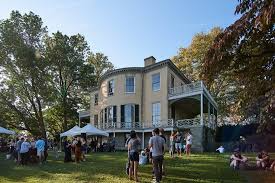
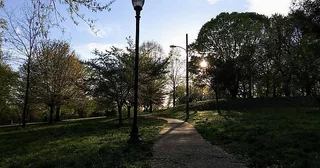
Fairmount Park was carved deliberately out of a mechanized 19th-century metropolis and has always been a Philadelphia reprieve. The old mansions stood austere and unshaken monuments to unapologetic ambition that, when their era passed, ceded their land to become the city’s great democratic refuge. Walking beneath oaks and maples thrown into fiery formation, their reds and ambers suspended in the chilly air like fireworks, I felt small in a way that comforted me. The ground holds centuries of footsteps, carriage wheels, and intentions.
By late afternoon I reached 53rd and Parkside, where university students had joined long-time block captains to clean up a recreation center. Fifty bags already stood in neat ranks. As shadows stretched long across West Park, an older man approached me. He was frail-looking but steady and told me he had walked a mile to be there.
“Why?” I asked. He looked disappointed in the question. “Love your park. Love your city,” he said, as if it were the most obvious truth in the world. He was as beautiful as the rowers, as powerful as the runners. A true Philadelphian.
A week later, at high noon on November 15, I stood in Roxborough’s Gorgas Park, where the human energy was off the charts. Some days a neighborhood shows you exactly who it is, and Roxborough reminds me why parks matter so deeply to this city.
Neighbors, families, students, longtime stewards, and first-timers gathered with Parks & Recreation and Conservancy staff for a shared purpose: to care for a place that cares for us. Gorgas Park has sweeping lawns, old-growth trees, and the gentle hum of daily life in a beloved public space.
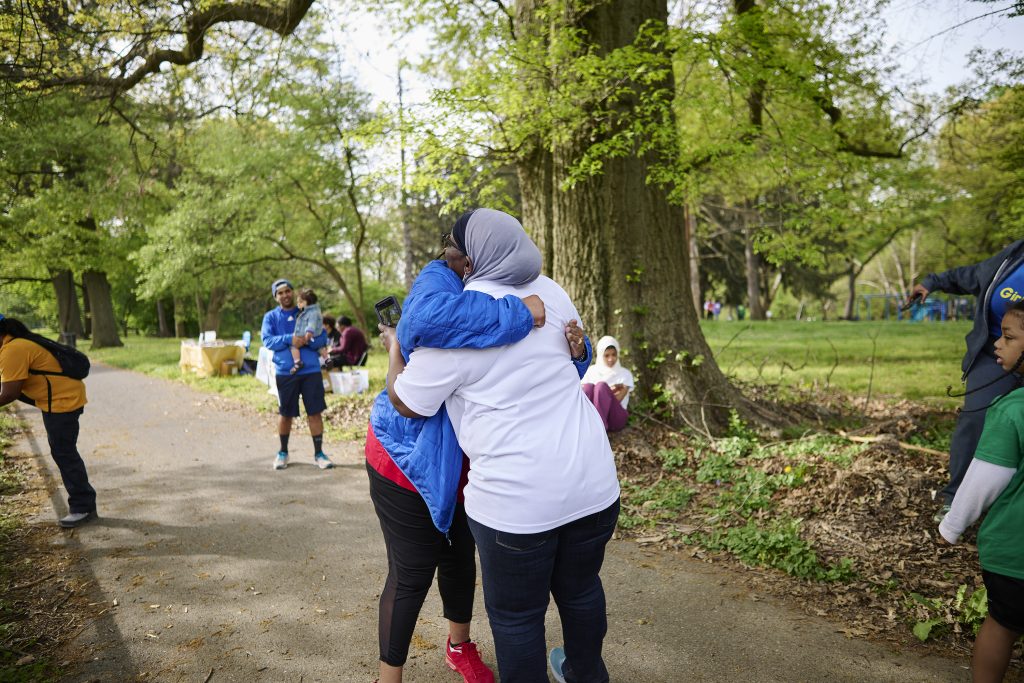
Parks do not thrive on their own. They thrive because people show up. And before me was at least one hundred Volunteers mulching trees, clearing pathways, restoring garden beds, and reviving the overlooked corners. Every wheelbarrow of mulch, every filled trash bag, was an act of stewardship building a more resilient public realm.
What inspires me most is that Philadelphians understand that parks are essential infrastructure, as critical as streets and transit.
When you invest time in your park, you are investing in the health, safety, and spirit of the neighborhood.
Watching people of all ages working side by side, hands in the dirt, conversations flowing, and with an unmistakable pride reminded me why our park system is the backbone of urban life.
Headed home along Lincoln Drive, I thought about the way November carries its own tender melancholy. Streets and people alike feel both hopeful and satisfied to have made it to another season intact. I thought the rowers, the runners, and the volunteers all have in common the belief that redemptive acts of physical sacrifice keep us alive in ways we cannot quite articulate.
Love Your Park participants strengthen not just their parks but the bonds that connect us.
Cleaning up a park is pure. A genuine expression of civic pride. It is the moment when people take the urban landscape into their own hands and say: This is our park, our block, our city, and we are making it better.
Over two Saturdays I visited a dozen parks and was profoundly moved by my fellow Philadelphians, building the city they want to live in one shovel, one sapling, one shared moment at a time.