As we enter a season of joyful gatherings and celebrations, I am reflecting on the profound power of connection – and, by the same token, the perils of isolation. Loneliness has quietly, almost stealthily, become a significant public health challenge. Rising rates of social isolation now include one in four adults reporting feelings persistently disconnected across age, race, income, and neighborhood. Millions report that they feel alone, and some are too embarrassed to admit it.
The medical community calls loneliness a national epidemic scientifically linked to anxiety, cardiovascular disease, cognitive decline, weakened immunity, and early mortality. Maybe once upon a time we saw loneliness as an emotional concern, but today it is a social challenge of our time.
Increasingly, our world is structured in ways that sustain isolation. Work increasingly happens digitally and remote, rather than in shared offices. More of our daily commerce can take place online, too. And while technology gives us constant contact with each other, it rarely provides real human presence. The pandemic has ended as a contagion, but did the decline in everyday social interaction only deepen?
There are other reasons for our era of loneliness. Families are more spread out. More people live alone. Traditional gathering places such as community centers, houses of worship, and local clubs carry less meaning in people’s daily routines.
And yet, I am optimistic.
Despite this widespread disconnection, I am seeing a most powerful tool rebuilding connections here in Philadelphia. We have 10,200 acres of public park land, and 95% of residents live within a ten-minute walk to a park. Our parks can and do serve as essential social infrastructure. Consider the many boxes they check:
Reduce stress. Check.
Improve mental health. Check.
Encourage movement. Check.
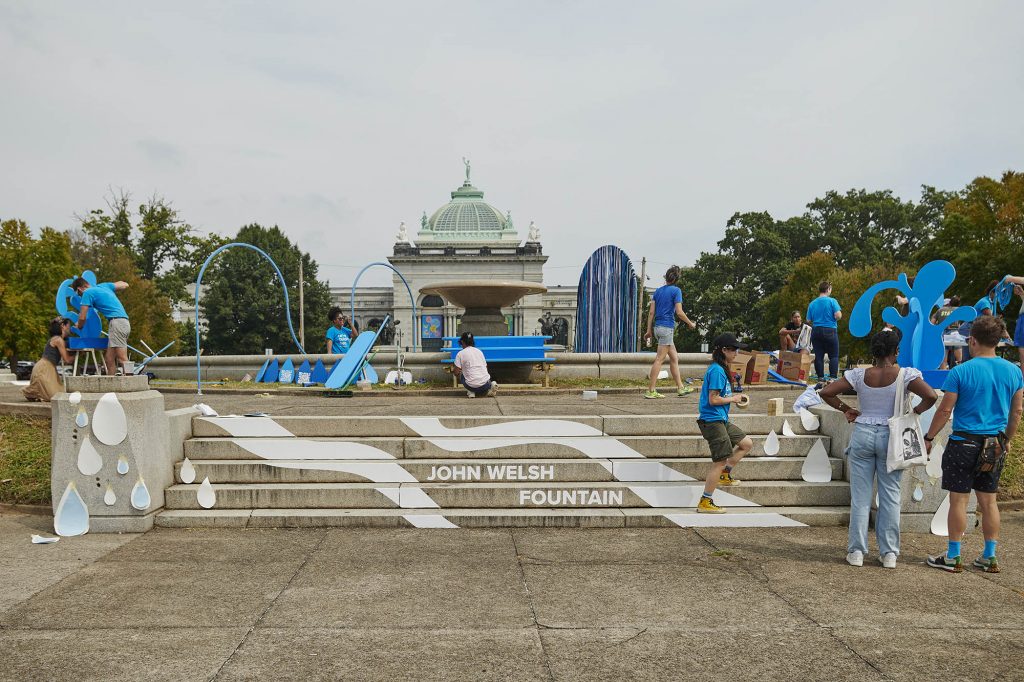
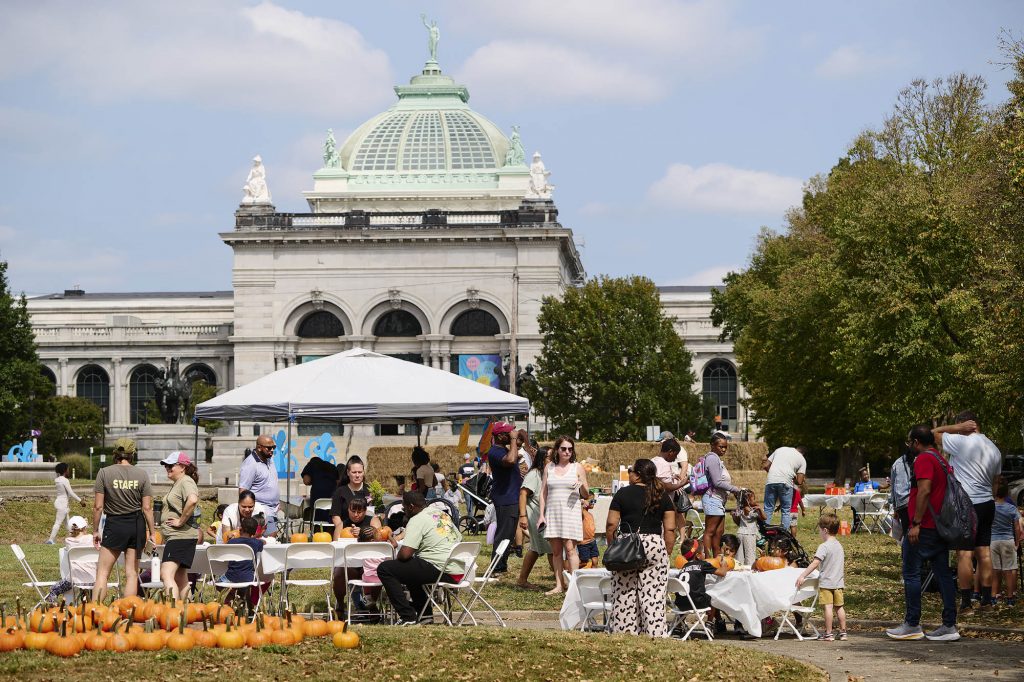
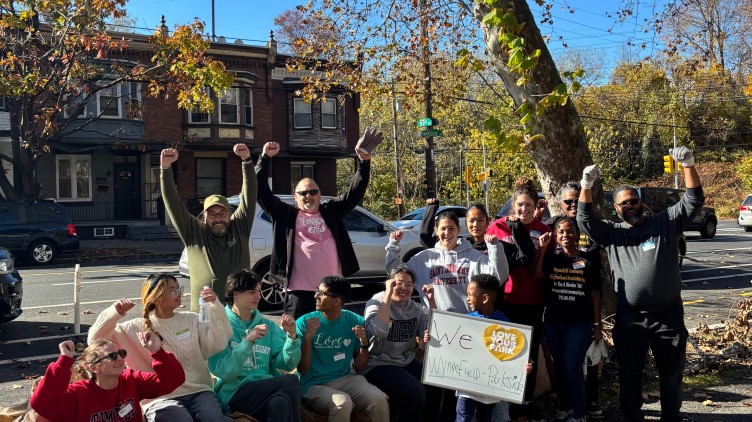
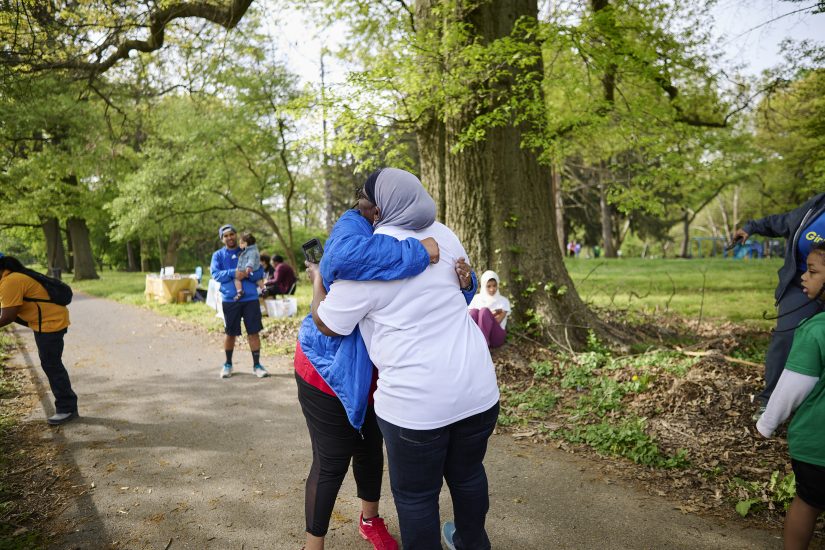
However, those can be done as a solo endeavor. What inspires me the most is seeing people encounter one another naturally and turning it into a conversation. In my new role as the CEO of Fairmount Park Conservancy I am moving about the city’s parks and watching kids meet on athletic fields and in recreation centers. I am seeing families gather at the playgrounds. I have met dozens of passionate park volunteers who team up to tackle litter, leaves, and more. I see seniors walking on the green spaces, younger singles mingling during trail walks, and gardeners chatting over planting beds in a community garden. The stitch of each small exchange is a part of how we weave our social fabric.
In Philadelphia we are uniquely fortunate to have one of the largest urban park networks in the nation as our green backbone. No matter where you live, you’re never far from a place that welcomes you. From the healing deep forests of Wissahickon Valley Park to the running trails along the Schuylkill Banks. From the walking paths of Pennypack Park and Cobbs Creek Park to the multicultural energy of FDR Park in South Philadelphia.
FDR Park may be our most powerful example of how parks can fight loneliness. It sits directly at Broad and Pattison, directly on the Broad Street Line and reachable for the cost of a SEPTA fare. This alone makes it perhaps the most accessible large-scale urban park in the region. Step off the subway and enter an oasis of lakes and meadows, boating and birding, and the promise of a good workout on the tennis courts, athletic fields, and the pedestrian paths. The music, dancing and culinary offerings make it a cultural gathering space for all.
Great parks are not happy accidents. They must be thoughtfully planned, designed, programmed, and maintained. Equitable access, welcoming design, and active stewardship all help transform green spaces into true community lifelines.
The social scientists and medical experts are telling us that loneliness is here, and may be rising. I do not believe it makes loneliness inevitable. In our parks, everyone is invited. Everyone belongs. When we love our parks, we love our city.